
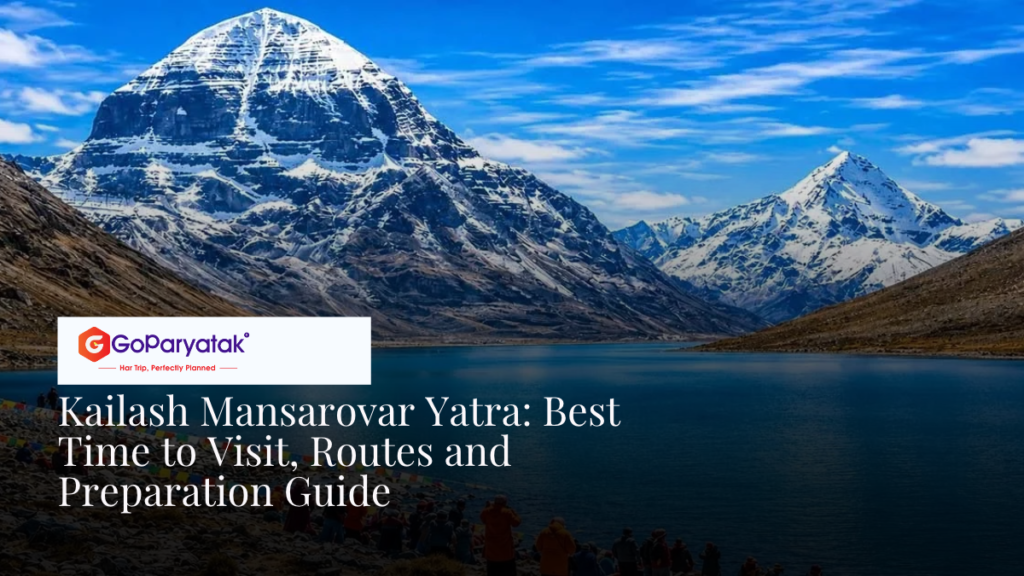
The Kailash Mansarovar Yatra is a spiritually significant pilgrimage that takes travellers from India towards Mount Kailash and the sacred Lake Mansarovar in the Tibet Autonomous Region of China. For many devotees, visiting this remote Himalayan region is a lifelong aspiration. Yet the journey is not simply a sightseeing trip: it involves high-altitude travel, international border formalities, demanding road journeys and, for those undertaking it, a challenging trek around Mount Kailash.
Choosing the right season is important, but it is only one part of the preparation. Pilgrims also need to understand the available routes, permits, medical requirements, acclimatisation, weather conditions and the physical demands of the parikrama.
This guide explains the best time to undertake the Kailash Mansarovar Yatra, the main routes from India, what to expect at Mount Kailash and Lake Mansarovar, and how to prepare responsibly. It is written for Indian pilgrims and families who want practical information before making a booking.
1. Kailash Mansarovar Yatra: An Overview
Mount Kailash and Lake Mansarovar are located in the remote western part of the Tibet Autonomous Region of China, close to the borders of India and Nepal. The mountain is part of the Transhimalayan region and is revered by several religious traditions.
Mount Kailash is sacred to Hindus as the abode of Lord Shiva and Goddess Parvati. It is also important to Buddhists, Jains and followers of the Bon tradition. Lake Mansarovar, situated south of Mount Kailash, is regarded as a sacred lake associated with spiritual purification and religious devotion.
For many Indian pilgrims, the journey is about faith, personal reflection and the opportunity to visit places they have heard about throughout their lives.
Why is Mount Kailash important?
Mount Kailash has a distinctive place in Asian religious traditions:
- Hinduism: Mount Kailash is traditionally regarded as the home of Lord Shiva and Goddess Parvati.
- Buddhism: The mountain is associated with sacred Buddhist cosmology and spiritual traditions.
- Jainism: It is associated with Ashtapada, the place traditionally linked with the liberation of the first Jain Tirthankara, Rishabhdev.
- Bon tradition: The mountain is sacred in the indigenous Bon religious tradition of Tibet.
The mountain is also notable for its remote location and striking landscape. Its snow-covered slopes, high-altitude valleys and surrounding Tibetan plateau make the region very different from conventional Himalayan holiday destinations.
What is the difference between Kailash and Mansarovar?
The names are often used together, but they refer to two different geographical places.
| Place | What it is | Why pilgrims visit |
| Mount Kailash | A sacred mountain in Tibet | Religious significance and the Kailash parikrama |
| Lake Mansarovar | A high-altitude freshwater lake south of Mount Kailash | Prayer, meditation and religious rituals |
| Darchen | A settlement near Mount Kailash | Starting point for the traditional parikrama |
| Yama Dwar | A recognised point on the parikrama route | Traditional starting point for the circumambulation |
The two main pilgrimage experiences are visiting Lake Mansarovar and undertaking the circumambulation of Mount Kailash, commonly called the Kailash parikrama or kora.
2. Best Time to Visit Kailash Mansarovar
The main pilgrimage season is generally during the warmer months, particularly from June to September. The exact operating period depends on the route, border permissions, weather, transport arrangements and the official schedule for that year.
The Ministry of External Affairs’ 2026 government-organised yatra was scheduled between June and August. This is a useful indication of the official pilgrimage season, but it should not be treated as a confirmed schedule for the following year.
For most travellers, the best time is the period when the chosen route is officially operating and weather conditions allow safe movement. A favourable calendar month cannot guarantee clear roads, open mountain passes or uninterrupted travel.
Month-wise travel considerations
| Period | General conditions | Planning considerations |
| April–May | Conditions can remain cold at high elevations | Do not assume that all routes or operators are open |
| June | Beginning of the main official season in recent schedules | Check the confirmed departure calendar and weather |
| July | Part of the main pilgrimage season | Rain can affect sections of the Nepal approach routes |
| August | Often within the official operating season | Check forecasts, road conditions and possible delays |
| September | Some travel arrangements may continue, depending on the route | Confirm whether the chosen route is operating |
| October–March | Winter conditions become increasingly severe | Most ordinary pilgrimage arrangements do not operate during this period |
These are broad planning considerations, not a daily weather forecast or a guarantee of route availability.
June: Beginning of the pilgrimage season
June is often part of the opening period for organised Kailash Mansarovar journeys. The official Indian government programme in 2026 was scheduled to begin in June.
Travellers considering an early-season departure should check:
- Whether the selected route has officially opened.
- Whether the relevant permits and border arrangements are confirmed.
- Whether road and weather conditions are suitable.
- Whether the operator has a clear delay and cancellation policy.
Do not book connecting flights or other non-refundable travel arrangements on the assumption that the pilgrimage will depart on a particular date unless the operator has confirmed the schedule.
July and August: Main travel period
July and August fall within the main pilgrimage season used by the Indian government in 2026. These months can also bring rain-related disruption to parts of the Nepal approach routes.
For travellers using a route involving flights to remote Himalayan settlements, weather can affect visibility and flight operations. Road conditions may also change after heavy rainfall.
Keep some flexibility in your itinerary. A tight return-flight connection immediately after the expected end of the pilgrimage is risky.
September: Check route availability carefully
September can be considered by travellers exploring late-season departures, but availability depends on the specific route and the year’s arrangements.
Before selecting a September journey, confirm:
- The final operating date for the route.
- The availability of the required permits.
- Weather and road conditions.
- Whether the operator has arranged the return journey and contingency accommodation.
Which month should you choose?
Rather than choosing a month only by reputation, compare the actual departure dates and conditions for the route you intend to use.
For Indian pilgrims, a practical approach is to shortlist an officially confirmed departure during the main operating season, then allow enough flexibility for weather-related delays. The best departure is one for which the documents, medical clearance, transport and accommodation arrangements are all properly confirmed.
3. Kailash Mansarovar Yatra Routes from India
There is more than one way to reach the Mount Kailash region. The route you choose affects the journey duration, transport, altitude profile, physical demands, permits and overall experience.
The main options discussed by Indian pilgrims are:
- The Indian government-organised route through Lipulekh Pass in Uttarakhand.
- The Indian government-organised route through Nathu La Pass in Sikkim.
- Routes through Nepal arranged by travel operators, subject to the required Chinese and Nepalese permissions.
These options should not be confused with one another. Their eligibility rules, application procedures and logistics can be different.
Route 1: Lipulekh Pass via Uttarakhand
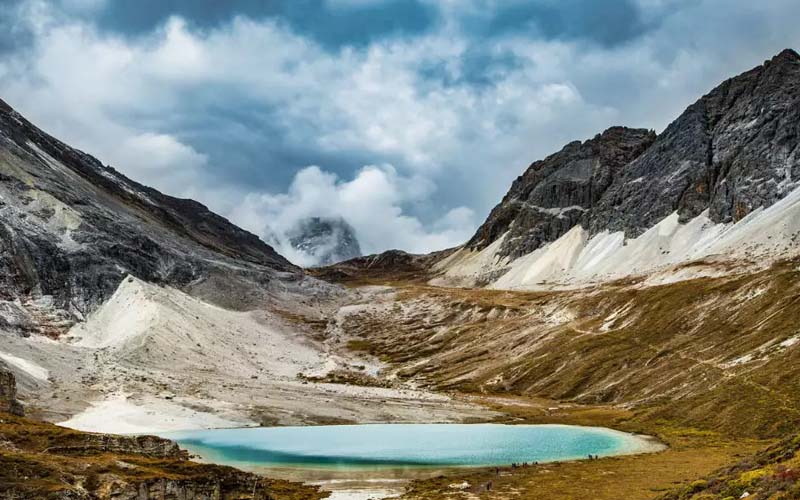
The Lipulekh route is the traditional Indian government-organised route through Uttarakhand. It involves travel through the Kumaon region before crossing the Lipulekh Pass towards Tibet.
The journey includes high-altitude trekking and road travel. The route is physically demanding and requires pilgrims to follow the official medical screening and acclimatisation process.
The broad route includes:
- Delhi, where selected pilgrims complete the prescribed reporting and medical formalities.
- Uttarakhand, including the Kumaon region.
- Dharchula and other designated route settlements.
- High-altitude sections leading towards Lipulekh Pass.
- Entry into Tibet, subject to the required arrangements.
- Travel onwards towards the Mount Kailash and Lake Mansarovar region.
The exact day-wise route and accommodation points can change. Use the official itinerary for the departure year rather than relying on an old travel blog.
Who should consider this route?
This route may suit Indian citizens who meet the government programme’s eligibility requirements and are prepared for the prescribed trekking and medical procedures.
Route 2: Nathu La Pass via Sikkim
The Nathu La route approaches Tibet through Sikkim. Compared with the Lipulekh route, it is designed around a different transport and altitude profile.
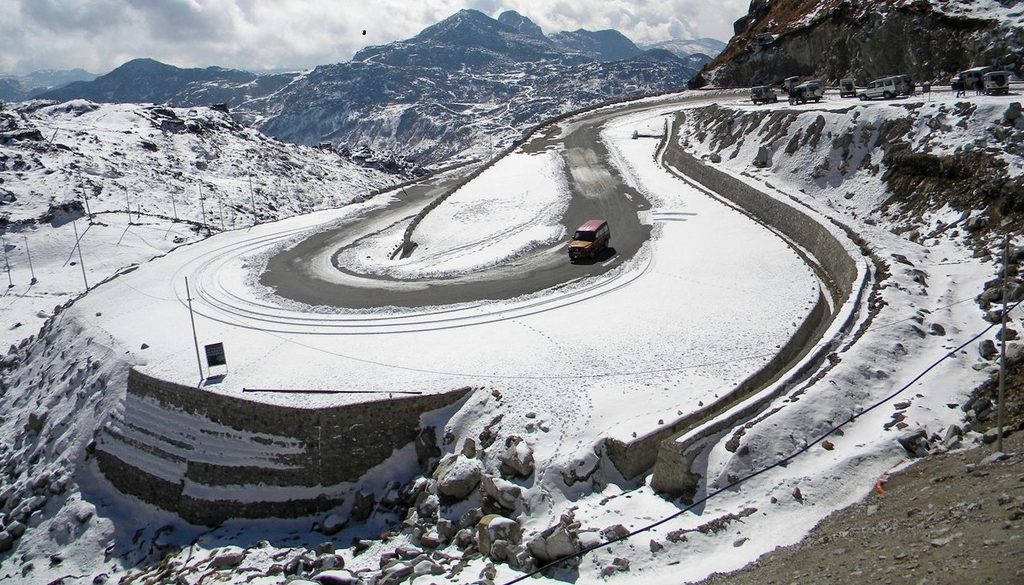
The broad journey involves:
- Reporting and medical formalities as specified by the government programme.
- Travel towards Sikkim.
- Movement through the designated route towards Nathu La.
- Entry into Tibet after the required border formalities.
- Further transport towards Lake Mansarovar and Mount Kailash.
The government-organised programme has included both Lipulekh and Nathu La routes. In 2026, the Ministry of External Affairs announced ten batches through each route.
Do not assume that this route is effortless simply because it involves a different transport arrangement. The journey still takes place at high altitude, and medical fitness remains essential.
Who should consider this route?
It may be suitable for eligible Indian applicants who prefer this route’s official itinerary and meet the medical requirements. The final route allocation and operating arrangements are governed by the programme.
Route 3: Kailash Mansarovar Yatra via Nepal
Many Indian pilgrims explore the Nepal route because private travel arrangements may offer different combinations of road transport, flights and trekking.
Depending on the operator and the permissions available, routes may involve:
- Kathmandu.
- Nepalgunj.
- Simikot.
- Hilsa.
- The border crossing into Tibet.
- Taklakot, also known as Purang.
- Lake Mansarovar.
- Darchen and the Mount Kailash parikrama route.
Not every itinerary follows exactly the same sequence. Some operators may offer different transport combinations, and the availability of flights or road access can change.
The Embassy of India in Kathmandu specifically advises Indian pilgrims travelling through Nepal to ensure that they have the appropriate Chinese visa and Tibet Travel Permit before starting the journey from India. It also advises them to verify Nepal restricted-area permits relevant to the route.
Important: Do not travel to Nepal in the hope that the required Chinese visa or Tibet entry permission will be arranged after arrival. The Ministry of External Affairs has issued an advisory after Indian pilgrims were stranded in Nepal because they travelled without the necessary documents.
Before paying an operator, ask for written confirmation of the documents required for the complete journey.
Comparison of the main routes
| Factor | Lipulekh | Nathu La | Nepal route |
| Main approach | Uttarakhand | Sikkim | Nepal |
| Organisation | Indian government programme | Indian government programme | Operator-based arrangements |
| Main entry route | Lipulekh Pass | Nathu La Pass | Depends on itinerary and border crossing |
| Medical requirements | Official screening | Official screening | Medical assessment strongly advised |
| Physical demands | Includes trekking | High-altitude travel | Depends on transport and parikrama arrangements |
| Permissions | Government programme and border formalities | Government programme and border formalities | Chinese visa, Tibet permit and relevant Nepal permits |
| Schedule | Official annual batches | Official annual batches | Operator and authority dependent |
Which route is best?
There is no single route that is best for every pilgrim.
Consider these questions before deciding:
- Are you eligible for the government-organised yatra?
- Do you prefer an official government programme or an operator-arranged itinerary?
- How much trekking can you comfortably manage?
- Are the required permits confirmed?
- Does the package include a suitable acclimatisation schedule?
- What medical support and evacuation arrangements are available?
- What happens if flights, roads or border arrangements are delayed?
The safest decision is based on confirmed arrangements and your medical suitability, not only on the advertised journey duration.
4. Mount Kailash Parikrama: Route, Distance and Difficulty
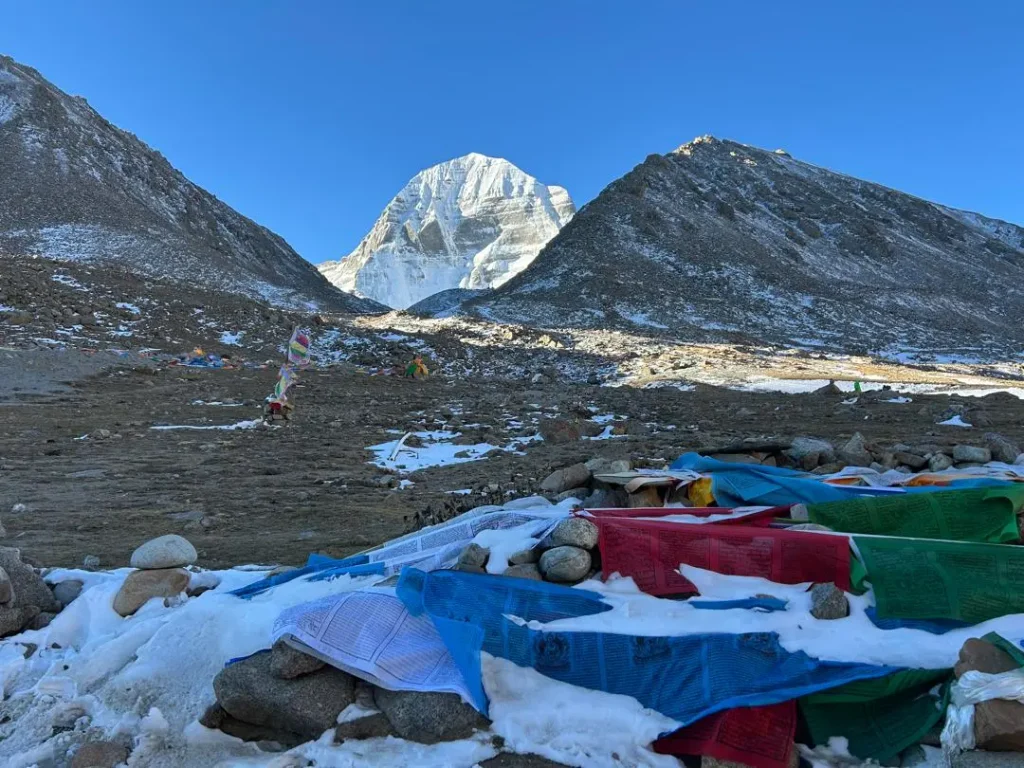
The Kailash parikrama is one of the most significant parts of the pilgrimage. It involves circumambulating Mount Kailash along a high-altitude route.
The traditional route begins near Darchen and passes important locations such as Yama Dwar and the area around Dolma La Pass. The journey is physically challenging because of the altitude, terrain and weather.
The commonly described full parikrama is approximately 52 kilometres, although the distance and actual walking conditions can vary according to the route followed and local arrangements. Travellers should confirm the current itinerary with their operator.
Important points along the parikrama
Darchen
Darchen is the settlement used as the base for the Mount Kailash parikrama. Pilgrims generally prepare here before starting the circumambulation.
Yama Dwar
Yama Dwar is a recognised point associated with the start of the traditional parikrama. It has religious significance for many Hindu pilgrims.
Dirapuk area
The Dirapuk area is an important overnight point on the commonly used parikrama route. It offers views of the northern face of Mount Kailash, subject to weather and visibility.
Dolma La Pass
Dolma La is the highest and most demanding section of the traditional parikrama route. The high altitude, steep terrain and changing weather make this part particularly challenging.
Gauri Kund
Gauri Kund is a sacred high-altitude lake associated with Goddess Parvati. It is located near the Dolma La section. Access and viewing conditions depend on the route and prevailing conditions.
Zutulpuk area
Zutulpuk is another important overnight area on the traditional route. Pilgrims generally continue from here towards the completion of the parikrama.
How difficult is the Kailash parikrama?
The parikrama should be treated as a serious high-altitude trek, not an ordinary walking tour.
You may face:
- Thin air and reduced oxygen availability.
- Steep uphill and downhill sections.
- Uneven rocky paths.
- Cold temperatures and strong winds.
- Rapid weather changes.
- Limited medical facilities along parts of the route.
- Physical fatigue over consecutive walking days.
Even people who exercise regularly can find the route difficult. Fitness at sea level does not automatically mean that the body will respond well at high altitude.
Can you complete the yatra without doing the parikrama?
The answer depends on the itinerary and the arrangements offered by the relevant authority or operator.
Some pilgrims may travel to the Lake Mansarovar region without undertaking the full Mount Kailash circumambulation. However, you should not assume that every package offers this option.
Ask the operator whether:
- The parikrama is compulsory within the package.
- A non-parikrama option is available.
- You can remain at the designated accommodation if you do not continue.
- Medical staff can advise you to stop if symptoms develop.
- Any additional charges apply to a modified itinerary.
Never continue the trek only because you have paid for the package or travelled a long distance. Your health must take priority.
5. Lake Mansarovar: What Pilgrims Should Know
Lake Mansarovar is one of the most important spiritual destinations on the pilgrimage. Located south of Mount Kailash, it is revered in Hindu religious traditions and is associated with purity, devotion and meditation.
The lake’s high-altitude setting creates a distinctive landscape of open water, mountain views and wide Tibetan plateau scenery.
Religious significance of Lake Mansarovar
Many Hindu pilgrims regard a visit to Lake Mansarovar as an important part of their spiritual journey. Traditional practices may include prayer, meditation and ritual bathing, depending on personal belief and local rules.
Visitors should follow the instructions of their guide and local authorities. Do not assume that bathing, collecting water or performing a particular ritual is permitted at every location or under all conditions.
What is the experience like?
The experience is different from visiting a conventional tourist lake.
Pilgrims may spend time:
- Offering prayers.
- Sitting quietly beside the lake.
- Observing the surrounding landscape.
- Taking photographs where permitted.
- Participating in religious activities according to their traditions.
The weather can be cold even during the main pilgrimage season. Keep warm clothing accessible and avoid remaining exposed to strong winds for long periods.
Mansarovar and Rakshas Tal
Rakshas Tal is another well-known lake in the region, located near Lake Mansarovar. The two lakes are geographically close but have different religious associations and characteristics.
Lake Mansarovar is generally associated with auspiciousness in Hindu traditions, while Rakshas Tal has a different place in religious narratives.
If your itinerary includes a viewpoint or visit near Rakshas Tal, follow the guide’s instructions and do not approach restricted or unsafe areas.
6. Permits, Visa and Documents for Indian Pilgrims
Documentation is one of the most important parts of planning the Kailash Mansarovar Yatra. The requirements differ between the Indian government-organised programme and routes arranged through Nepal.
A package confirmation or a verbal assurance from an agent is not a substitute for the actual travel documents.
Documents to prepare
Depending on your route, you may need:
- A valid ordinary Indian passport.
- Chinese visa or the relevant group travel visa arrangement.
- Tibet Travel Permit.
- Nepal restricted-area permit, where applicable.
- Government yatra selection and reporting documents, if using the official programme.
- Medical fitness documents required by the relevant authority.
- Travel insurance covering high-altitude emergency situations.
- Passport photographs and copies of identity documents.
- Emergency contact information.
The exact list must be confirmed for your departure year and route.
Chinese visa and Tibet Travel Permit
Mount Kailash is located in Tibet, which is part of China. Foreign visitors cannot simply travel there using an ordinary domestic travel booking.
Indian pilgrims travelling through Nepal should pay particular attention to the Embassy of India’s guidance. It states that the appropriate Chinese visa and Tibet Travel Permit should be obtained before beginning the journey from India. It also says that the Chinese visa should be obtained from the Embassy of China in New Delhi, not from the Chinese Embassy in Kathmandu.
Permit arrangements can be route-specific. Ask the operator to explain which authority issues each document, who applies for it and when you will receive confirmation.
Nepal permits
If your journey passes through restricted areas of Nepal, the relevant restricted-area permit may be required. The Embassy of India in Kathmandu identifies permits for areas such as Simikot/Hilsa or Rasuwagadhi, depending on the route.
Ask for written confirmation of the permit arrangement before departure.
Government-organised yatra eligibility
The Indian government’s annual programme has its own eligibility and selection rules. The 2026 application information required an ordinary Indian passport valid for at least six months as on 1 September 2026.
The government programme also requires medical screening and selection through the official application process. Eligibility criteria and application dates can change, so use the current year’s official notice rather than relying on older information.
For the latest programme information, visit the official Kailash Manasarovar Yatra portal: https://kmy.gov.in/
A document verification checklist
Before leaving India, confirm the following in writing:
- Your passport details match every application and permit.
- The required Chinese visa or group visa arrangement is confirmed.
- The Tibet Travel Permit has been obtained or formally confirmed.
- Any Nepal restricted-area permit is arranged for the correct route.
- Your travel insurance covers the actual activities and altitude involved.
- Your operator has provided emergency contacts and a clear itinerary.
- You have copies of all essential documents stored separately from the originals.
Do not start the journey based on an expectation that permits will be issued later.
7. Physical Fitness and Medical Preparation
The Kailash Mansarovar Yatra takes place at high altitude. The reduced availability of oxygen can affect people differently, and serious altitude-related illnesses can develop even in people who appear fit.
Medical preparation should begin well before the departure date.
Why is medical fitness important?
As altitude increases, atmospheric pressure falls. The body receives less oxygen with each breath, which can lead to symptoms of altitude illness.
Possible symptoms include:
- Headache.
- Nausea or loss of appetite.
- Dizziness.
- Unusual tiredness.
- Difficulty sleeping.
- Breathlessness beyond what would normally be expected.
Severe altitude illness can become life-threatening. Confusion, difficulty walking, breathlessness at rest, chest tightness or a worsening condition require urgent medical attention and descent as advised by medical professionals.
Do not try to diagnose or treat serious altitude symptoms on your own.
Who should consult a doctor before booking?
Anyone considering this pilgrimage should undergo a medical assessment. This is especially important for people with a history of:
- Heart or cardiovascular disease.
- High blood pressure.
- Respiratory or lung conditions.
- Diabetes.
- Kidney-related conditions.
- Previous altitude sickness.
- Mobility limitations or joint problems.
This list is not exhaustive. A doctor familiar with high-altitude travel can assess your individual risks and advise whether the journey is appropriate.
For the Indian government programme, the prescribed medical examination and clearance process is mandatory. A private medical certificate should not be assumed to replace the official screening.
How to prepare physically
Begin preparation only after discussing your plans with a healthcare professional, especially if you have an existing medical condition.
A sensible preparation routine may include:
Walking practice
Build up your walking duration gradually. Start with comfortable walks on level ground and increase the distance as your fitness improves.
Stair climbing
If your doctor approves, practise controlled stair climbing to build leg endurance. Avoid sudden increases in intensity.
Strength and balance
Gentle exercises for the legs, hips and core can help with stability on uneven paths. Use a trainer or physiotherapist if you are unsure how to exercise safely.
Breathing and recovery
Learn to pace yourself and take regular breaks. Do not assume that pushing harder will improve your ability to tolerate altitude.
Practice with your daypack
Walk with a light backpack similar to the one you expect to carry during the pilgrimage. This helps you understand how the load affects your comfort.
Acclimatisation is essential
Acclimatisation gives the body time to adjust to lower oxygen availability at higher elevations.
Follow the itinerary’s designated rest and acclimatisation stops. Do not skip them to save time.
A responsible operator should explain:
- The altitude at each overnight stop.
- How much time is allocated for acclimatisation.
- Who monitors pilgrims for altitude-related symptoms.
- What happens if someone becomes unwell.
- How emergency descent or evacuation is arranged.
No fitness programme can guarantee that you will avoid altitude sickness.
8. What to Pack for Kailash Mansarovar Yatra
Packing for the pilgrimage requires a balance between warmth, comfort and manageable luggage. Temperatures can change considerably between locations and throughout the day.
Your operator should provide a route-specific packing list. The following checklist can help you prepare.
Clothing
- Thermal innerwear.
- Warm fleece or insulating mid-layer.
- Waterproof and wind-resistant outer jacket.
- Comfortable trekking trousers.
- Warm socks, including spare pairs.
- Gloves suitable for cold conditions.
- Woollen cap or insulated headwear.
- Sun hat or cap.
- Comfortable nightwear.
- Extra undergarments.
Use layers rather than relying on one very heavy jacket. This makes it easier to adjust to changing temperatures.
Footwear
- Properly fitted trekking shoes with good grip.
- Comfortable socks that reduce friction.
- Camp shoes or lightweight footwear for accommodation.
- Blister-care supplies.
Break in your trekking shoes before the journey. New footwear can cause blisters and discomfort during long walking days.
Personal and medical supplies
- Prescription medicines in their original packaging.
- A copy of your prescriptions.
- Personal first-aid supplies.
- Sunscreen suitable for high-altitude sun exposure.
- Lip balm.
- Sunglasses with suitable UV protection.
- Personal hygiene products.
- Hand sanitiser and tissues.
- Reusable water bottle, if permitted by the operator.
Discuss altitude-related medicines with your doctor. Do not self-prescribe medication or take another traveller’s medicines.
Travel essentials
- Passport and required permits.
- Printed itinerary and operator contact details.
- Travel insurance documents.
- Emergency contact list.
- Power bank and charging cables.
- Headlamp or torch.
- Small daypack.
- Some local currency and emergency cash, as appropriate to the route.
For routes through Simikot and Hilsa, the Embassy of India in Kathmandu warns that ATM facilities are not available. It also notes that mobile connectivity can be absent in some locations. Plan accordingly.
9. Accommodation, Food and Facilities During the Yatra
The Kailash Mansarovar region is remote. Accommodation and facilities should not be compared with those available in major Indian tourist cities.
The quality of lodging depends on the route, the location and the arrangements made for the particular departure.
What accommodation should you expect?
Depending on the itinerary, you may stay in:
- Hotels in major reporting or transit cities.
- Guesthouses or lodges along the approach route.
- Basic accommodation in remote settlements.
- Shared rooms or dormitory-style facilities.
- Designated accommodation near the pilgrimage route.
The Embassy of India in Kathmandu specifically advises pilgrims using the Simikot/Hilsa route to be prepared for basic infrastructure, including dormitory-style accommodation.
Before booking, ask the operator:
- Is accommodation private or shared?
- Are blankets and bedding provided?
- Are toilets attached or shared?
- Is hot water available, and is it reliable?
- Are meals included at every stop?
- What happens if weather delays extend the stay?
Do not assume that every stop has the same standard of facilities.
Food during the journey
Food availability can vary by route and accommodation. Organised groups may have meals arranged, but the menu may be simpler than what travellers are used to at home.
Carry suitable snacks if your doctor and operator approve. People with dietary restrictions should discuss their requirements before booking rather than expecting every remote stop to provide specialised meals.
If you have diabetes, food allergies or another dietary requirement, ask how the operator will manage meals during delays as well as on the scheduled itinerary.
Medical facilities and connectivity
Medical support can be limited in remote parts of the journey. The Embassy of India in Kathmandu warns that medical facilities in Simikot and Hilsa are minimal or unavailable.
Ask the operator for a clear explanation of:
- Medical staff accompanying the group.
- Access to oxygen and emergency equipment.
- Evacuation arrangements.
- The nearest available medical facility at each stage.
- Communication arrangements if mobile networks are unavailable.
Travel insurance should be checked carefully. A standard holiday policy may exclude high-altitude trekking, emergency helicopter evacuation or travel in remote regions.
10. Kailash Mansarovar Yatra Cost: What Affects the Budget?
The total cost depends on the route, the operator, the transport used, accommodation, permits, group arrangements and the level of medical and emergency support.
There is no single price that applies to every Kailash Mansarovar journey.
The government-organised programme and private operator itineraries also have different fee structures. Government programme fees published for earlier years should not be treated as current package prices.
Main cost components
| Expense | What to check |
| Package fee | Exact inclusions and exclusions |
| International travel | Flights or transport to the reporting point |
| Accommodation | Room sharing and extra-night charges |
| Meals | Number of meals included |
| Permits and visa | Which documents are included in the package |
| Local transport | Road transfers, flights and border transfers |
| Trek support | Porter or animal support, where available |
| Medical support | Medical staff and emergency arrangements |
| Insurance | High-altitude and evacuation coverage |
| Personal expenses | Snacks, tips, additional luggage and other purchases |
Questions to ask before paying
- Does the price include all required permits and visa arrangements?
- Are international flights included?
- Are all meals covered?
- What is the room-sharing arrangement?
- Are local transfers and border transfers included?
- Are porters or animal support included, optional or separately charged?
- What costs may arise if the journey is delayed?
- Is emergency evacuation covered by the package or insurance?
- What is the cancellation and refund policy?
- Will you receive a written itinerary and payment receipt?
A lower advertised price may not include every essential service. Compare packages using the same list of inclusions rather than comparing only the headline amount.
11. Travel Insurance and Emergency Planning
Travel insurance is particularly important for a remote high-altitude pilgrimage. A policy that covers ordinary medical treatment may not cover the risks associated with the Kailash region.
The Embassy of India in Kathmandu advises pilgrims travelling through Nepal to have adequate insurance for high-altitude sickness, emergency medical relief, evacuation and extended stays.
Before purchasing a policy, confirm that it explicitly covers:
- High-altitude trekking at the maximum elevation on your route.
- Acute mountain sickness and related emergencies.
- Emergency medical treatment.
- Helicopter evacuation, if available and medically required.
- Repatriation, where applicable.
- Additional accommodation and travel expenses caused by an emergency.
Read exclusions carefully. Some policies exclude pre-existing medical conditions, travel against medical advice or activities above a specified altitude.
Make an emergency plan
Keep the following information accessible:
- Operator’s local emergency contact.
- Group leader or guide’s contact.
- Insurance emergency assistance number.
- Passport and permit copies.
- Family contact details.
- List of prescribed medicines and relevant medical information.
Share your itinerary with a family member in India. Explain that communication may be intermittent and that a delay does not automatically mean an emergency.
12. Important Travel Tips for Indian Pilgrims
A little preparation can prevent avoidable problems during the journey.
Before departure
- Check the official yatra schedule for your chosen year.
- Confirm that the operator is properly registered and authorised for the services being offered.
- Obtain the required travel documents before starting the journey.
- Complete the recommended medical assessment.
- Read the insurance policy rather than relying on verbal assurances.
- Keep copies of your passport, permits and emergency contacts.
- Allow flexibility around your onward and return flights.
During the journey
- Follow the guide’s instructions and the designated itinerary.
- Do not skip acclimatisation stops.
- Drink fluids regularly, following medical advice.
- Eat sufficiently and rest when required.
- Report symptoms early rather than hiding them.
- Avoid alcohol and smoking during high-altitude travel.
- Keep your important documents and medicines with you.
- Respect local rules and religious practices.
On the parikrama
- Walk at a steady pace.
- Avoid racing other members of the group.
- Keep your daypack light.
- Use appropriate footwear.
- Follow the guide’s instructions around steep or exposed sections.
- Stop and seek medical help if you develop concerning symptoms.
The parikrama is a personal pilgrimage, not a competition. Completing it should never come at the cost of your health.
13. Common Mistakes to Avoid
The remoteness and administrative requirements of the Kailash region make careful planning essential. These are some mistakes that can create serious difficulties.
Starting the journey before permits are confirmed
Do not travel to Nepal or another transit point assuming that the required Chinese visa or Tibet permit will be issued later. The Indian government has warned about pilgrims becoming stranded after beginning their journey without the necessary documents.
Choosing an operator only because of a low price
Compare the written inclusions, permits, medical arrangements, insurance guidance, accommodation and emergency procedures.
Ignoring medical advice
A previous successful trek or regular gym routine does not guarantee suitability for this pilgrimage. Follow medical advice and the official screening process.
Underestimating weather delays
Flights, roads and border arrangements can be affected by weather and other operational conditions. Keep a flexible schedule.
Carrying unsuitable footwear
Shoes that have not been worn before the journey can cause blisters and make the parikrama more difficult.
Skipping acclimatisation
Do not ask the operator to shorten essential rest periods simply to save time.
Assuming mobile connectivity will be available
Some remote sections have limited or no mobile network coverage. Keep emergency information in printed form.
Continuing despite serious symptoms
Headache, nausea and fatigue should be reported. Severe or worsening symptoms need urgent medical attention. Do not continue the parikrama against medical advice.
14. How to Choose a Kailash Mansarovar Tour Package
A well-planned package should provide clear information about the journey rather than relying only on attractive photographs and a short itinerary.
Use this checklist when evaluating a tour operator.
Check the operator
- Verify the business identity and registration details.
- Ask for a written itinerary.
- Request details of the local ground-handling partner.
- Confirm who is responsible for obtaining permits.
- Ask for a clear cancellation and refund policy.
- Check how the operator handles delays and emergencies.
Check the package inclusions
Make sure you understand whether the package includes:
- Accommodation throughout the route.
- Meals and drinking water arrangements.
- All required local transfers.
- Border-related transport.
- Permit and visa processing.
- Guide and group support.
- Medical assistance.
- Porter or animal support, if required.
- Insurance or insurance assistance.
Ask about the parikrama
Confirm the number of walking days, overnight locations, approximate route distance, support arrangements and what happens if you cannot continue.
The operator should explain the limitations of local medical facilities and the emergency evacuation plan. Avoid anyone who guarantees that altitude sickness will not occur or promises that every traveller can complete the parikrama.
Planning with GoParyatak
Travellers comparing organised pilgrimage options can explore the Kailash Mansarovar Yatra package by GoParyatak. Review the itinerary, route, inclusions, documentation process and support arrangements carefully before making a booking.
If you need clarification about the travel plan, use the GoParyatak contact page to discuss your requirements.
15. A Practical Preparation Timeline
Preparation should begin well before the departure date. The following is a planning framework, not an official application calendar. Always follow the dates and instructions published for your chosen route.
Several months before travel
- Research the available routes and decide which programme you want to explore.
- Check your passport validity and the current eligibility rules.
- Consult a doctor about high-altitude travel.
- Begin a gradual fitness routine if medically approved.
- Compare operators and request complete written itineraries.
- Understand the insurance requirements and exclusions.
After your route or booking is confirmed
- Complete the required application and documentation process.
- Confirm the visa and Tibet permit arrangements.
- Arrange travel insurance.
- Follow the medical screening process.
- Purchase and break in suitable trekking footwear.
- Check the operator’s packing list.
- Keep copies of all travel documents.
In the final weeks
- Reconfirm departure dates and reporting instructions.
- Check weather and route updates.
- Confirm accommodation and transport arrangements.
- Prepare prescribed medicines and medical records.
- Share your itinerary and emergency contacts with family.
- Keep some flexibility in your return travel plans.
On the day of departure
Carry your passport, permits, medicines, insurance information and essential valuables in your hand luggage. Keep emergency contacts accessible offline.
16. Responsible and Respectful Pilgrimage
Mount Kailash and Lake Mansarovar are sacred places as well as fragile high-altitude environments. Responsible travel helps protect the landscape and respects the communities and traditions connected with the region.
Pilgrims should:
- Avoid littering and carry waste back to designated disposal points.
- Follow local instructions about bathing, photography and religious activities.
- Avoid disturbing wildlife or damaging vegetation.
- Respect other pilgrims and local communities.
- Use water and other resources carefully.
- Follow the designated walking route.
- Avoid loud behaviour around religious sites.
Remember that this is a remote region with limited facilities. Carrying out your waste and following local rules are important parts of responsible pilgrimage.
17. Is the Kailash Mansarovar Yatra Right for You?
The pilgrimage can be deeply meaningful, but it is not suitable for everyone.
It may be appropriate for people who are medically fit, comfortable with remote travel, prepared for basic facilities and willing to follow a structured high-altitude itinerary.
It may not be suitable for someone who expects a comfortable sightseeing holiday, has not received medical clearance, cannot tolerate long journeys or is unwilling to accept possible weather delays.
Families planning the journey together should assess each member individually. Do not assume that an older relative or a younger family member will automatically be able to manage the altitude and walking requirements.
If you are unsure, speak to a doctor experienced in high-altitude travel before paying a non-refundable deposit.
Conclusion: Plan Your Kailash Mansarovar Yatra Carefully
The Kailash Mansarovar Yatra is a significant spiritual journey, but reaching Mount Kailash and Lake Mansarovar requires much more than selecting a travel date. The right route, confirmed permits, medical fitness, acclimatisation, suitable insurance and a reliable support arrangement all matter.
The main travel season is generally during the warmer months, with the Indian government’s 2026 programme scheduled between June and August. Future schedules and route availability must be checked through official announcements. Pilgrims travelling through Nepal should be particularly careful to obtain all required Chinese and Nepalese permissions before leaving India.
Take time to compare itineraries and understand what is included in your package. For organised travel planning, explore the GoParyatak Kailash Mansarovar Yatra package and review the arrangements before booking. You can also contact GoParyatak to discuss your travel requirements.
A well-prepared journey begins with accurate information, realistic expectations and respect for the demands of high-altitude travel.
Frequently Asked Questions
Q1. What is the best time for the Kailash Mansarovar Yatra?
The main pilgrimage season is generally during the warmer months, particularly June to September, although the exact operating dates depend on the route and official arrangements. The Indian government’s 2026 programme was scheduled between June and August. Travellers should not assume that the same dates will apply in another year. Check the latest government notice or obtain written confirmation from your operator before booking flights, accommodation or other non-refundable travel arrangements.
Q2. How many days are required for the Kailash Mansarovar Yatra?
The total duration depends on the route, transport arrangements, acclimatisation schedule, border formalities and whether the Mount Kailash parikrama is included. Government-organised routes and operator-arranged journeys through Nepal can have different itineraries. Weather delays may also extend the trip, particularly on routes involving flights or remote roads. Ask for a complete day-wise itinerary, including reporting days, medical checks, rest days, the parikrama and the return journey. Avoid planning a tight onward connection immediately after the scheduled completion date.
Q3. Can senior citizens undertake the Kailash Mansarovar Yatra?
Age alone does not establish whether someone is fit for the pilgrimage. The high altitude, demanding walking sections, cold conditions and limited medical facilities make individual medical assessment essential. The Indian government’s programme has specific eligibility and medical screening requirements, which must be checked for the relevant year. Senior citizens considering an operator-arranged route should consult a doctor experienced in high-altitude travel and ask the operator about the itinerary, evacuation arrangements and alternatives if the parikrama cannot be completed.
Q4. Is a visa required for Indian citizens travelling to Kailash Mansarovar through Nepal?
Indian citizens travelling through Nepal to the Tibet region need the appropriate Chinese visa and Tibet Travel Permit, along with any Nepal restricted-area permit required for their route. The Embassy of India in Kathmandu advises pilgrims to obtain the required Chinese visa and Tibet Travel Permit before beginning the journey from India. It also states that the Chinese visa should be obtained through the Embassy of China in New Delhi, not in Kathmandu. Requirements and procedures should be reconfirmed before travel.
Q5. Is the Kailash Mansarovar parikrama compulsory?
The full parikrama is a major part of the traditional pilgrimage, but whether it is compulsory depends on the particular itinerary and operator arrangements. Some travellers may visit the Lake Mansarovar region without completing the full circumambulation of Mount Kailash. The parikrama is a demanding high-altitude trek, especially around Dolma La Pass. Before booking, ask whether a non-parikrama option is available and what arrangements are made if a pilgrim becomes unwell or is advised by medical staff not to continue.