Introduction
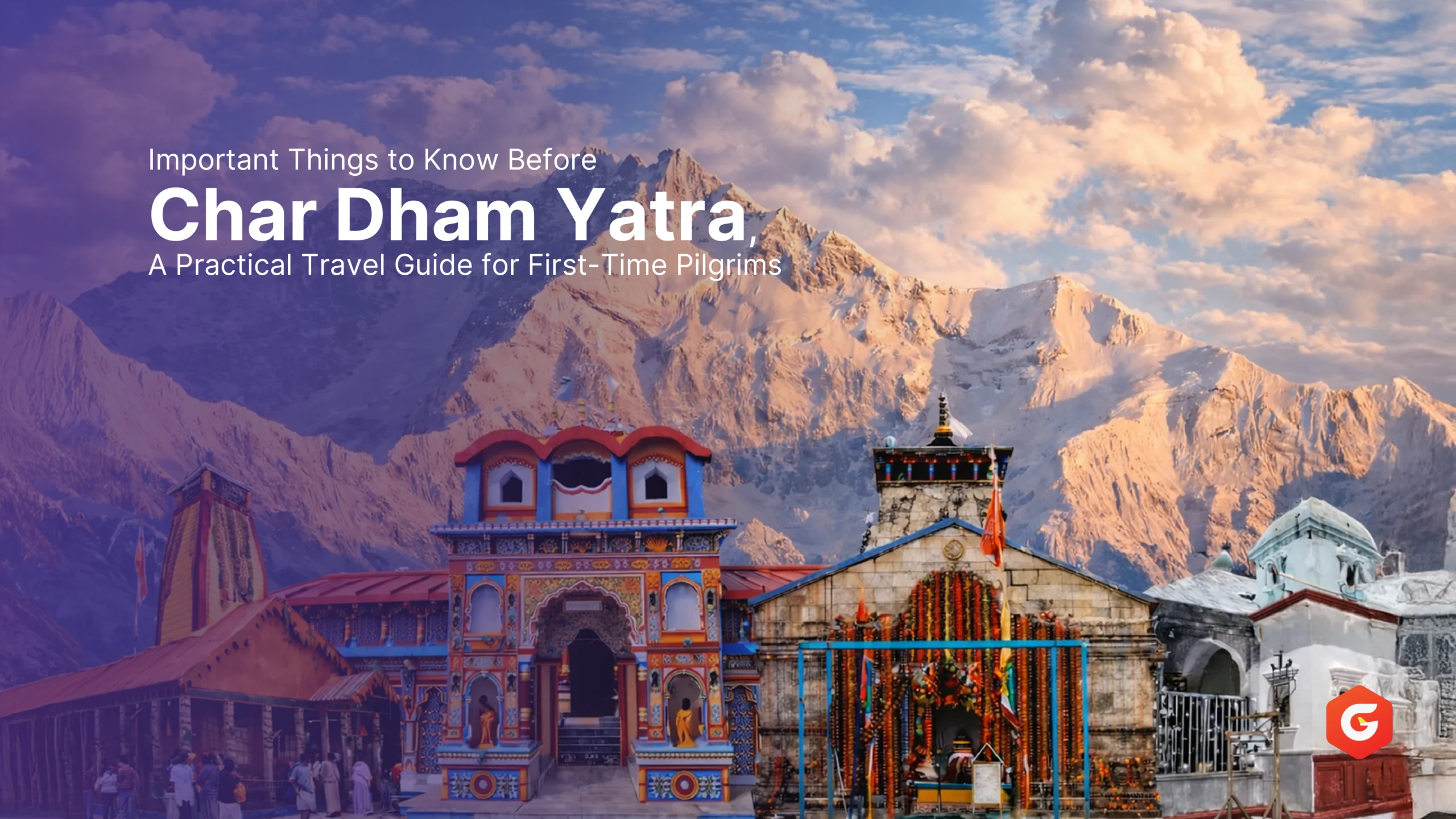
The Char Dham Yatra is not just a trip; it is a spiritual milestone. Covering Yamunotri, Gangotri, Kedarnath, and Badrinath, this sacred pilgrimage in Uttarakhand is deeply rooted in faith, endurance, and humility. Yet, many travelers unknowingly approach it like a regular holiday—expecting resort-style hotels, flexible sightseeing, and hill stations with city comforts.
That mismatch of expectations is where stress begins.
At Goparyatak, we strongly believe that a smooth yatra begins with correct information, honest planning, and mental preparedness. This guide exists to help pilgrims understand the on-ground realities of Char Dham Yatra, avoid last-minute disappointments, and focus on what truly matters—devotion, safety, and peace of mind.
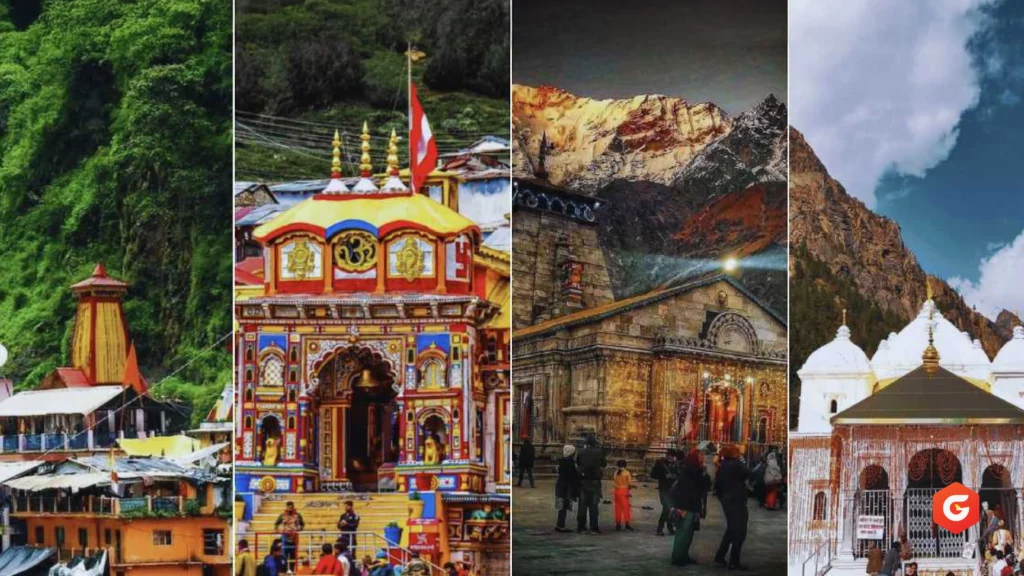
Why Char Dham Yatra Is Not a Regular Holiday
Unlike leisure destinations, Char Dham is a high-altitude pilgrimage circuit, operating under strict environmental, administrative, and safety controls.
You are traveling through:
- Fragile Himalayan terrain
- Extreme and unpredictable weather
- Narrow roads with heavy pilgrim traffic
- Limited infrastructure built for survival, not luxury
This yatra tests patience, flexibility, and physical stamina. Understanding this beforehand transforms inconvenience into acceptance and that is where the spiritual experience truly begins.
Importance of Understanding Hill Terrain, Weather & Operational Limits
Char Dham routes pass through landslide-prone zones, snow corridors, forest reserves, and restricted religious areas. Infrastructure here is temporary and seasonal, not permanent like plains.
Key realities:
- Roads can close without notice
- Weather can change within minutes
- Facilities depend on altitude and accessibility
At Goparyatak, we design itineraries that respect these limitations instead of promising unrealistic comforts.
Purpose of This Guide
This guide is not meant to discourage travel. It exists to:
- Set realistic expectations
- Avoid avoidable disputes
- Help pilgrims plan with clarity
- Reduce last-minute panic or losses
An informed pilgrim always has a smoother yatra.
Mandatory Char Dham Yatra Registration
Compulsory Registration for All Four Dhams
Every pilgrim must register officially for Char Dham Yatra. Without registration:
- Temple entry may be denied
- Checkpoints will stop your journey
- Vehicles may be turned back
Importance of Checking Registration Opening Dates
Registration opens on specific government-declared dates each season. Booking hotels or vehicles before registration confirmation is risky.
Why Bookings Should Never Be Done Before Registration Confirmation
If registration dates change or slots fill up:
- Advance bookings become unusable
- Refunds are often impossible
At Goparyatak, we always align bookings after registration confirmation to protect pilgrims.
Seasonal Nature of Char Dham Yatra
Limited Operational Window Each Year
Char Dham Yatra operates only 4–6 months annually, depending on weather conditions. Outside this window, temples are closed.
Seasonal Hotels & Infrastructure Challenges
Most hotels:
- Open only during yatra season
- Operate with limited staff
- Shut down completely in winter
Price Surge vs Basic Facilities Reality
High demand does not equal high luxury. Prices increase due to scarcity, but facilities remain basic.
Key Halt Locations Where Expectations Must Be Managed
Places like Guptkashi, Sitapur, Sonprayag, and Joshimath are functional halts—not tourist towns.

Accommodation Reality in Kedarnath
Dharamshala-Style Stays Explained
Kedarnath accommodation is primarily dharamshala-based with simple bedding and shared amenities.
Dormitory-Based Room Allotment
Even private bookings may involve:
- Shared rooms
- Dormitory-style arrangements
- Limited privacy
Why Room Changes Are Common During Peak Season
Due to:
- Weather disruptions
- Helicopter backlog
- Crowd overflow
Rooms may change without notice.
Weather & Crowd Pressure Impact
Snowfall or rain can force sudden room reallocations. This is normal and unavoidable.
Hotel Facilities in Uttarakhand Hill Areas
What Facilities Are Generally Not Available
Do not expect:
- Elevators
- Room service
- Luxury bathrooms
- High-speed Wi-Fi
Stair-Heavy Hotel Structures
Most hotels are built vertically on slopes. Stair climbing is unavoidable.
Extra Charges for Heaters
Heaters are chargeable extras, not complimentary, due to electricity constraints.
Why Refusal of Rooms Leads to Non-Refundable Losses
If a guest refuses allotted rooms:
- Hotels mark it as no-show
- Refunds are usually denied
Goparyatak always advises acceptance over conflict.
Vehicle & AC Limitations on Char Dham Routes
Why AC Is Switched Off in Mountain Areas
AC usage:
- Overloads vehicle engines
- Is unsafe on steep climbs
Difference Between Plains & Hill Regions
Hill driving prioritizes torque and control, not cooling comfort.
Extra Cost Implications for AC Insistence
Insisting on AC may:
- Increase fuel costs
- Cause breakdown risks
- Lead to additional charges
Snowfall, Weather & Route Uncertainty
Snow-Covered Road Safety Rules
Authorities may close routes instantly for safety.
Local Vehicle Requirement Scenarios
During snow or landslides:
- Only local vehicles may be allowed
- Transfers become mandatory
Weather-Based Delays & Cancellations
Delays are common and not refundable.
No-Refund Situations Explained Clearly
Weather is considered force majeure, not service failure.
Hill Driving Rules & Safety Regulations
Night Driving Restrictions
Night travel is banned due to:
- Poor visibility
- Wildlife movement
- Landslide risks
Loud Music Bans
Silence is enforced near temples and forest zones.
Why These Rules Exist
These regulations protect lives, nature, and the sanctity of the pilgrimage.
Parking & Last-Mile Access Challenges
No-Entry Zones Near Temples
Private vehicles are restricted near:
- Kedarnath base
- Badrinath temple area
Walking Distances & Local Transport
Pilgrims must walk or use:
- Ponies
- Palkis
- Local shuttles
Parking Validity Limitations
Parking passes are time-bound. Overstays may incur fines.
Green Card Delays at Uttarakhand Entry
What Is Green Card Clearance
A mandatory vehicle verification for commercial transport.
Common Delay Durations
During peak season, clearance can take 2–6 hours.
Impact on Travel Timelines
Delays are unavoidable and should be mentally accepted.
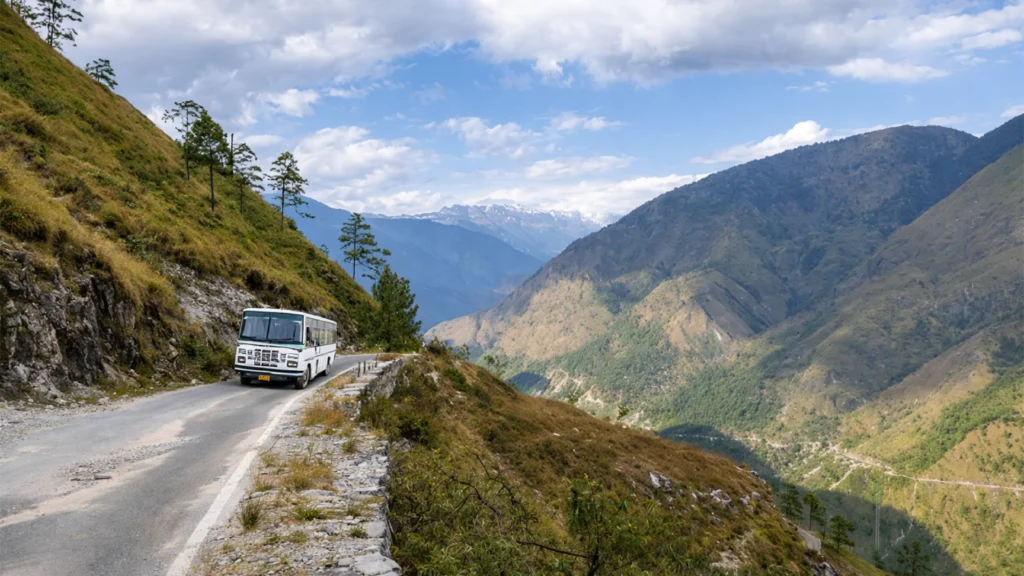
Driver & Route Challenges During Peak Yatra
Traffic Pressure & Road Diversions
Daily route changes are common.
Changing Parking Rules
Drivers must comply instantly with police instructions.
Driver Change Limitations
Drivers cannot be replaced mid-route due to permit laws.
Importance of Guest Cooperation
A cooperative guest ensures a calm journey for everyone.
Fixed Itinerary & Sightseeing Limitations
No Free Roaming Policy
Char Dham is route-restricted, not a leisure circuit.
Strict Route-Based Movement
Vehicles must follow assigned routes only.
Extra Sightseeing Destinations
Places like:
- Mana Village
- Vasudhara Falls
- Bhairavnath Temple
Are considered optional, not default.
Why These Are Not Included Automatically
They depend on:
- Time
- Weather
- Crowd conditions
Force Majeure Conditions in Char Dham Yatra
Common Disruptions
- Landslides
- Snowfall
- Government orders
- Temple closures
Why Refunds Are Not Possible
No operator controls nature or administration.
Understanding Char Dham as a High-Risk Zone
It is officially categorized as a high-risk pilgrimage circuit.
Legal Jurisdiction Clause
Uttarakhand-Only Jurisdiction
All disputes fall under Uttarakhand courts.
Why This Matters
It avoids confusion and ensures legal clarity.
Conclusion: Travel with Faith, Plan with Awareness
The Char Dham Yatra is a test of belief, patience, and surrender. It is not designed for comfort—it is designed for transformation.
With realistic expectations, pilgrims:
- Experience less stress
- Accept challenges gracefully
- Connect deeper with the spiritual purpose
At Goparyatak, we don’t just arrange itineraries—we prepare pilgrims mentally and practically. Because when awareness walks alongside faith, the journey becomes truly divine.
Travel with devotion. Plan with clarity. And let the Himalayas guide you.