Kerala is the kind of destination where a single trip can move from misty tea plantations to quiet backwaters, dense forests and Arabian Sea beaches without feeling like you are visiting the same landscape twice. If you are searching for the best things to do in Kerala, the real challenge is not finding places to visit; it is deciding which experiences deserve space in your itinerary.
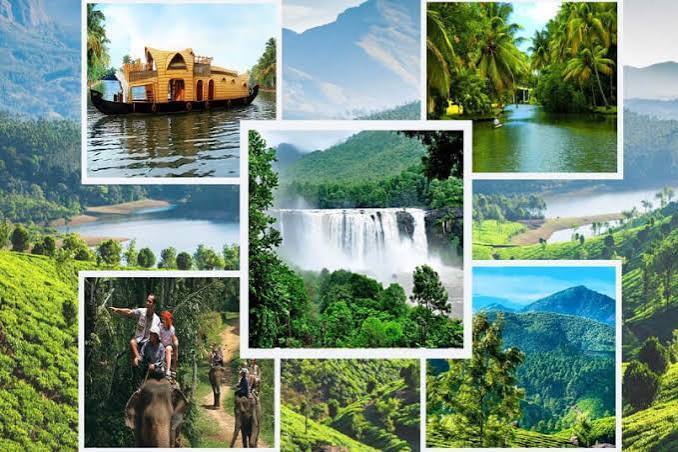
You can cruise through the backwaters of Alappuzha, walk among Munnar’s tea gardens, explore wildlife around Thekkady, wander through historic Fort Kochi, relax at Varkala or Kovalam, visit waterfalls and try Kerala’s distinctive cuisine.
This guide brings those experiences together in one practical itinerary-planning resource. It covers what to do, where to do it, who each experience suits, how much time to allow and how to combine different regions without spending the entire holiday on the road.
Kerala Tourism itself highlights the state’s combination of hills, backwaters, beaches, wildlife, waterfalls, culture and cuisine as major parts of its tourism offering.
Why Kerala Is Different from Other Indian Destinations
Kerala stretches between the Western Ghats and the Arabian Sea, creating a landscape that changes dramatically from east to west.
The eastern highlands bring mountain scenery, forests, tea and spice plantations. The central regions are known for rivers, lakes, villages and backwaters. The western side opens towards the Arabian Sea and a long coastline of beaches and coastal towns.
Kerala Tourism describes the state in terms of three broad geographical regions: the highlands around the Western Ghats, the midlands of hills and valleys, and the coastal region with its beaches, backwaters, canals and rivers.
That geography explains why a Kerala holiday can include several completely different experiences.
You might start your morning among tea plantations in Munnar, spend another day watching wildlife in Thekkady, sleep on a houseboat in Alappuzha and finish the trip beside the sea in Varkala or Kovalam.
The variety is the biggest attraction.
Best Things to Do in Kerala at a Glance
| Experience | Best Place | Ideal For |
| Houseboat cruise | Alappuzha | Couples, families |
| Backwater exploration | Alappuzha, Kumarakom | All travellers |
| Tea plantation walks | Munnar | Couples, nature lovers |
| Wildlife experience | Thekkady | Families, wildlife lovers |
| Mountain viewpoints | Munnar | Photographers, couples |
| Heritage walk | Fort Kochi | Culture lovers |
| Waterfall visit | Athirapilly | Nature lovers |
| Beach holiday | Varkala, Kovalam | Couples, families |
| Spice plantation visit | Thekkady | Families, couples |
| Traditional arts | Kochi, Thekkady | Culture lovers |
| Ayurveda | Across Kerala | Wellness travellers |
| Village experience | Kuttanad and other rural areas | Slow travellers |
| Trekking | Munnar, Wayanad, Thekkady | Adventure travellers |
| Local cuisine | Across Kerala | Food lovers |
Kerala Tourism’s official destination resources similarly organise the state around backwaters, hills, beaches, wildlife, waterfalls, islands and cultural experiences.
Cruise the Kerala Backwaters
If there is one experience that should be considered when planning a first Kerala trip, it is exploring the backwaters.
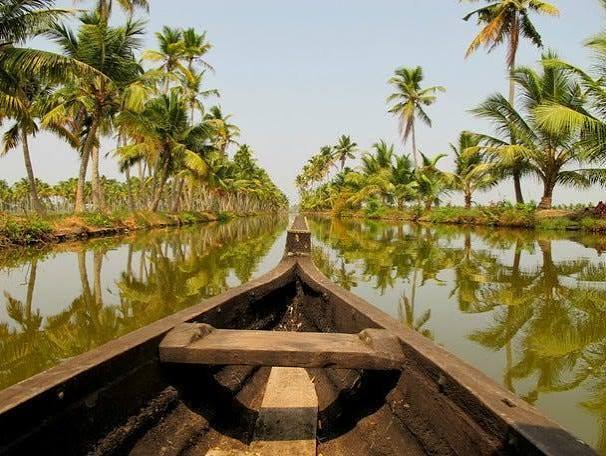
The backwaters are a network of interconnected lakes, canals, rivers and waterways extending through different parts of the state.
The experience is not simply about being on a boat.
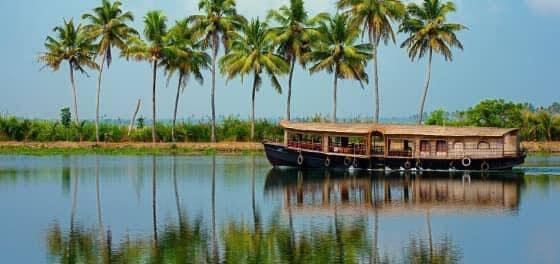
As you move through the waterways, you see coconut palms, paddy fields, village homes, fishing activity and everyday life along the water.
Kerala Tourism lists backwater destinations across southern, central and northern Kerala, including Alappuzha, Kumarakom, Kuttanad, Ashtamudi, Munroe Island and several smaller waterways.
Where Should You Experience the Backwaters?
For first-time visitors, Alappuzha and Kumarakom are two of the most practical choices.
Alappuzha is particularly associated with houseboat cruises, while Kumarakom offers a quieter experience around Vembanad Lake.
The choice depends on your itinerary and accommodation preference.
Stay on a Houseboat in Alleppey
A houseboat stay is one of the most distinctive things to do in Kerala.
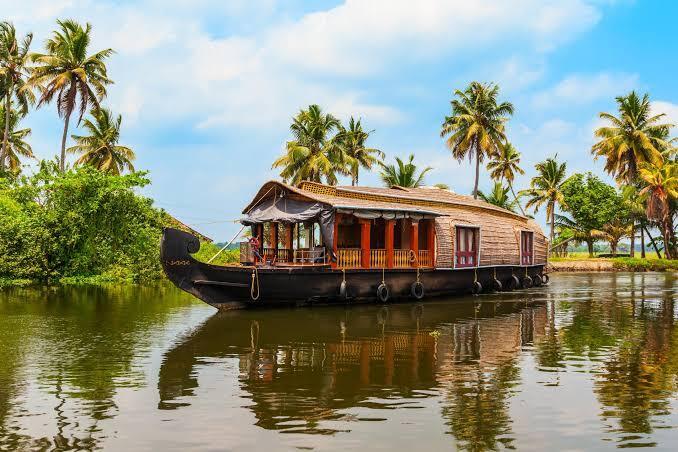
Alappuzha, also known as Alleppey, is one of Kerala’s best-known backwater destinations. Kerala Tourism describes the area as a network of canals, rivers, lakes and inlets surrounded by coconut palms, paddy fields and villages.
A typical houseboat experience allows you to spend several hours travelling through the waterways rather than simply taking a short sightseeing boat ride.
You can sit on the deck, watch village life, enjoy meals onboard and slow down after a busy sightseeing schedule.
What Is a Houseboat Stay Like?
The exact facilities depend on the boat.
Depending on the category, you may find:
- Private bedroom
- Attached bathroom
- Dining area
- Open or semi-open deck
- Meals
- Crew
- Backwater cruise
Ask about the exact route and inclusions before booking.
A houseboat trip is particularly suitable for couples and families because it provides a slower pace after several days of road travel.
GoParyatak’s current Kerala itineraries include an Alleppey houseboat stay after Munnar in several of its packages.
That route makes practical sense because it combines the hills with the backwaters instead of trying to experience both from one base.
Explore the Tea Gardens of Munnar
Munnar is where Kerala’s landscape changes dramatically.
The coastal humidity gives way to cooler mountain air, rolling hills and extensive tea plantations.
Kerala Tourism places Munnar at around 1,600 metres above sea level and identifies its tea plantations, valleys and biodiversity as major attractions.
For many visitors, simply driving through the tea country is part of the experience.
But you can make the visit more meaningful by exploring the plantations, visiting a tea museum and stopping at viewpoints.
Visit a Tea Museum
The Tea Museum in Munnar explains the history and development of tea production in the region.
Kerala Tourism notes that the museum houses old machinery, photographs and artefacts connected with the history of tea cultivation in Munnar.
This is useful if you want something beyond scenic photographs.
Walk Through the Tea Plantations
Tea gardens are one of the most recognisable landscapes in Munnar.
You can see neatly maintained tea-covered slopes stretching across the hills.
If you plan to walk through a plantation, use designated routes and follow local instructions rather than entering restricted cultivation areas.
Visit Eravikulam National Park
Eravikulam National Park is another major attraction around Munnar.
It is known for the Nilgiri tahr, a mountain ungulate associated with the Western Ghats.
Kerala Tourism identifies Eravikulam National Park among the principal places to visit around Munnar and highlights its wildlife, mountain landscapes and trekking opportunities.
Park access and visitor arrangements can change seasonally.
Before visiting, check the current entry rules, operating status and access restrictions.
This is especially important during sensitive ecological periods.
Enjoy Munnar’s Mountain Views
Munnar is not just about tea gardens.
Several viewpoints and attractions allow you to see the broader mountain landscape.
Mattupetty Dam
Mattupetty is a popular stop around Munnar.
The area combines a reservoir, mountain scenery and opportunities for boating, subject to current operations.
Echo Point
Echo Point is another common sightseeing stop along the Munnar route.
It works well as part of a day covering Mattupetty and Kundala.
Kundala Lake
Kundala combines lake scenery with surrounding tea plantations.
Kerala Tourism identifies Kundala Lake, the Kundala Dam and nearby tea plantations among the attractions in this part of Munnar.
Top Station
Top Station provides panoramic views of the surrounding mountain landscape and tea-covered hills.
It is particularly appealing to photographers and travellers who enjoy scenic drives.
GoParyatak’s current Kerala itineraries include Mattupetty Dam, Echo Point, Kundala Lake, Tea Gardens and Eravikulam National Park as part of its Munnar sightseeing plans.
Explore Wildlife in Thekkady
If Munnar is about tea and mountains, Thekkady is about forests, wildlife and spice plantations.
Thekkady is closely associated with the Periyar Tiger Reserve in Kerala’s Western Ghats.
Kerala Tourism describes the Periyar landscape as a biodiversity-rich region where visitors can participate in activities such as boating, trekking, bamboo rafting and wildlife observation.
A wildlife trip should come with realistic expectations.
Seeing a particular animal is never guaranteed.
Instead of planning the day around spotting a tiger or elephant, focus on the broader forest experience.
You may encounter:
- Elephants
- Gaur
- Sambar
- Various bird species
- Nilgiri langurs
- Other forest wildlife
Periyar’s official tourism information also highlights the area’s diverse mammals and birdlife.
Take a Boat Ride on Periyar Lake
A boat experience on Periyar Lake is one of the ways visitors explore the wildlife landscape.
The lake sits within the Periyar reserve, and boat-based wildlife observation allows visitors to explore the surroundings while remaining within designated areas.
However, wildlife sightings depend on conditions and chance.
Do not treat a safari or boat ride as a guaranteed animal-spotting experience.
For current booking arrangements, entry rules and activity availability, check the relevant official reserve information before your trip.
Visit a Kerala Spice Plantation
The hills around Thekkady are strongly associated with spice cultivation.
Depending on the plantation and tour arrangement, visitors may learn about crops such as:
- Cardamom
- Pepper
- Cinnamon
- Clove
- Nutmeg
- Coffee
- Tea
Kerala Tourism notes that plantations around Thekkady include several of these crops.
A spice plantation visit is particularly useful for travellers who want to understand how Kerala’s landscape connects with its food culture.
Instead of simply buying spices from a shop, you can see where some of them are cultivated and learn about their uses.
Discover Fort Kochi
Kochi adds a completely different layer to a Kerala itinerary.
While Munnar is about mountains and Alappuzha is about waterways, Fort Kochi is about history, architecture, food and coastal culture.
The neighbourhood carries Portuguese, Dutch and British influences and includes historic buildings, churches, museums, streets and waterfront areas.
Some places to explore include:
- St. Francis Church
- Chinese fishing nets
- Mattancherry
- Jewish heritage sites
- Dutch Cemetery
- Fort Kochi waterfront
- Local cafés
- Art spaces
The best way to experience Fort Kochi is not to rush between attractions.
Give yourself time to walk.
The area rewards slow exploration.
See the Chinese Fishing Nets
The Chinese fishing nets are among the most recognisable visual features of Fort Kochi.
They sit along the waterfront and form part of the area’s maritime character.
Visit around the waterfront, watch the traditional fishing setup and explore the nearby streets.
Photography is particularly appealing here because the nets, sea and historic surroundings create a very different visual environment from Munnar or Alappuzha.
Visit Athirapilly Waterfalls
Athirapilly is a useful addition if you want to include waterfalls in your Kerala itinerary.
The waterfall lies in the forested landscape of Thrissur district and can be incorporated into routes between Kochi and the hill regions depending on your schedule.
GoParyatak’s longer Kerala itinerary currently includes Athirapilly as an overnight stop before continuing towards Munnar.
That is an example of how a longer itinerary can add a waterfall experience without creating an entirely separate trip.
Before visiting, check current access conditions, weather and local safety instructions, especially during periods of heavy rainfall.
Relax at Varkala Beach and Cliff
Varkala offers one of Kerala’s most distinctive coastal landscapes.
Instead of a completely flat shoreline, the beach sits below a dramatic cliff landscape.
Kerala Tourism notes that Varkala is unusual among southern Kerala beaches because of its cliffs directly adjacent to the Arabian Sea.
A Varkala visit can include:
- Papanasam Beach
- Varkala Cliff
- Sunset views
- Cliffside cafés
- Local shops
- Nearby temples
- Sivagiri
Varkala works particularly well for travellers who want a beach destination with a little more character than a conventional resort stay.
Spend Time at Kovalam Beach
Kovalam is another major beach destination in southern Kerala.
The area is known for its crescent-shaped beaches, coastal atmosphere and nearby wellness experiences. Kerala Tourism highlights its three crescent-shaped beaches and activities including swimming, Ayurvedic treatments and boating experiences.
Kovalam is particularly useful at the end of a longer Kerala itinerary.
After several days of hill and wildlife sightseeing, a couple of nights near the coast can give the trip a slower finish.
GoParyatak’s longer Kerala packages currently include Kovalam and Trivandrum after the Munnar–Thekkady–Alleppey route.
Explore Kumarakom and Vembanad Lake
Kumarakom is another important backwater destination.
It sits around Vembanad Lake and provides an alternative to staying in Alappuzha.
The experience here is generally more focused on lakeside stays, backwater scenery and slower travel.
Kumarakom can be particularly appealing for:
- Couples
- Luxury travellers
- Birdwatchers
- Wellness travellers
- People looking for a quieter backwater stay
Kerala Tourism lists Kumarakom among the state’s important central Kerala backwater destinations.
GoParyatak’s longer Kerala itineraries currently include Kumarakom in some of its 8-night and 9-night programmes.
Experience Kerala’s Traditional Arts
Kerala’s culture is an important part of the travel experience.
Two well-known traditional performance forms are Kathakali and Kalaripayattu.
Kathakali is recognised for its elaborate makeup, costumes, expressions and storytelling.
Kalaripayattu is a traditional martial art with a strong connection to Kerala’s cultural heritage.
You can look for performances in Kochi and Thekkady.
GoParyatak’s current Thekkady itineraries mention optional Kathakali and Kalaripayattu performances.
The exact performance schedule and venue should be checked locally because programmes can change.
Try Authentic Kerala Food
Food should not be treated as an afterthought on a Kerala trip.
The cuisine changes across regions and communities.
Some dishes and experiences worth trying include:
- Appam with stew
- Puttu with kadala curry
- Kerala sadya
- Malabar parotta
- Fish curry
- Local seafood
- Banana-based snacks
- Payasam
- Freshly prepared coconut-based dishes
Kerala Tourism describes the state’s cuisine as an important part of its cultural experience, with regional variation ranging from traditional meals to seafood and Malabar flavours.
Try a Traditional Sadya
Sadya is a traditional Kerala vegetarian feast generally served with several accompaniments.
The exact dishes vary by occasion and region.
If you encounter a traditional sadya during your trip, it is worth trying as a cultural experience rather than simply another restaurant meal.
Explore Malabar Cuisine
If your itinerary takes you towards northern Kerala, the food becomes another reason to extend the trip.
Malabar cuisine has its own culinary traditions and is particularly interesting for travellers who enjoy exploring regional food.
Experience Ayurveda and Wellness
Kerala is strongly associated with Ayurveda and wellness tourism.
Kerala Tourism identifies Ayurveda, yoga, wellness retreats and traditional therapeutic practices as part of the state’s tourism offerings.
You will find wellness resorts and Ayurvedic centres across several parts of the state.
However, travellers should choose providers carefully.
If you are considering Ayurvedic treatment rather than a general wellness experience, check the qualifications and credentials of the practitioner and understand what the treatment involves.
Explore Kerala’s Villages and Local Life
Some of the most rewarding Kerala experiences happen away from major attractions.
A village experience can show you:
- Paddy fields
- Coconut cultivation
- Local fishing
- Traditional homes
- Small waterways
- Local food
- Handicrafts
- Everyday rural life
Kuttanad is particularly interesting for travellers exploring the Alappuzha region.
Kerala Tourism highlights Kuttanad’s distinctive agricultural landscape and below-sea-level farming environment.
Instead of spending every day moving between tourist attractions, leave some space for slower experiences.
Go Trekking and Explore Nature
Kerala is not only a sightseeing destination.
The Western Ghats provide opportunities for trekking, nature walks and other outdoor activities.
The specific difficulty varies significantly by location.
Options include nature trails around Thekkady, mountain trails around Munnar and eco-tourism experiences in different parts of the state.
Kerala Tourism identifies trekking, rafting, cycling, kayaking and other adventure activities among its eco-tourism experiences.
Choose activities based on your fitness level and current weather.
During heavy rain, trails and outdoor activities may be modified or closed.
Visit Kerala’s Waterfalls
Waterfalls can be added to a Kerala itinerary without making them the central theme of the trip.
Important options include:
- Athirapilly
- Vazhachal
- Cheeyappara
- Valara
- Chinnakanal
- Palaruvi
Several of these are particularly useful when travelling through the hill regions.
GoParyatak’s current Munnar routes include Cheeyappara and Valara Waterfalls during the Kochi–Munnar journey.
This is a good example of using en-route attractions rather than creating separate long drives for every sightseeing point.
Enjoy a Kerala Beach Holiday
Kerala’s coastline gives travellers plenty of options.
Popular choices include:
- Varkala
- Kovalam
- Marari
- Bekal
- Kappad
- Muzhappilangad
- Alappuzha Beach
Kerala Tourism lists beaches across northern and southern Kerala, with Varkala and Kovalam among the prominent southern destinations.
Choose the beach based on your route.
If you are already travelling through southern Kerala, Varkala or Kovalam can fit naturally.
If your itinerary focuses on central Kerala, Marari may make more sense.
Explore Kerala’s Shopping and Handicrafts
Shopping can be part of your itinerary rather than a separate activity.
Popular things travellers look for include:
- Tea
- Spices
- Coir products
- Handicrafts
- Traditional textiles
- Local snacks
- Ayurvedic products
Buy food items from reliable sellers and check packaging requirements if you are flying.
For fragile or liquid products, plan your luggage accordingly.
Best Things to Do in Kerala by Traveller Type
Different travellers will enjoy Kerala differently.
For Couples
A balanced couple’s itinerary could include:
Munnar → Thekkady → Alleppey → Varkala
This gives you:
- Mountain scenery
- Tea plantations
- Wildlife
- Houseboat experience
- Beach time
For honeymoon travellers, adding a private houseboat stay or a quieter resort can make the trip more relaxed.
For Families
Families can consider:
Kochi → Munnar → Thekkady → Alleppey
This combination avoids excessive beach-hopping and gives children different types of experiences.
You can combine:
- Waterfalls
- Tea gardens
- Boating
- Wildlife
- Houseboat
- Easy sightseeing
Avoid putting too many long road journeys back-to-back.
For Solo Travellers
Solo travellers can choose a slower route:
Kochi → Munnar → Alleppey → Varkala
This provides a mixture of culture, nature, backwaters and beaches.
For Wildlife Lovers
Consider:
Munnar → Thekkady → Wayanad
Add trekking or guided nature activities depending on current availability.
For Beach Lovers
A southern coastal route could include:
Varkala → Kovalam
If you have more time, extend towards other coastal destinations.
Best Things to Do in Kerala by Season
Kerala does not have one single weather pattern across the entire state.
The hills, coast and inland areas can feel quite different.
Kerala Tourism identifies the southwest monsoon mainly from June to September and the northeast monsoon from around October to December.
October to February
This period is generally comfortable for sightseeing, although weather varies between regions.
It is a popular period for combining:
- Munnar
- Thekkady
- Alleppey
- Kochi
- Varkala
- Kovalam
Kerala Tourism notes that December, January and February are generally pleasant and cooler, while hill regions can be substantially cooler than the coast.
March to May
The coastal and lowland areas can become hot and humid.
Hill stations such as Munnar can be more comfortable than the plains.
This can be a useful period for travellers who want to prioritise the mountains.
June to September
The southwest monsoon transforms Kerala’s landscape.
Rain can affect travel plans, but monsoon travel also offers a different view of the state.
Kerala Tourism specifically describes monsoon as an important part of Kerala’s identity and notes that rain often comes with periods of sunshine rather than continuous rainfall.
If you travel during monsoon:
- Carry waterproof footwear
- Keep rain protection
- Allow flexibility in the itinerary
- Check waterfall conditions
- Verify boat and outdoor activity operations
- Allow extra road-travel time
How Many Days Do You Need in Kerala?
There is no single correct number.
The right duration depends on how much of Kerala you want to experience.
3–4 Days
Focus on:
Kochi → Munnar → Alleppey
This is a compact introduction.
GoParyatak’s current 3N/4D package follows this basic combination.
4–5 Days
Try:
Kochi → Munnar → Thekkady → Alleppey
This gives you hills, wildlife and backwaters.
GoParyatak currently offers a 4N/5D package around this route.
5–7 Days
You can add:
Kovalam or Trivandrum
This creates a more varied Kerala holiday.
GoParyatak’s current 5N/6D and 6N/7D packages follow broader combinations including Munnar, Thekkady, Alleppey and southern Kerala destinations.
8–10 Days
A longer holiday allows you to slow down.
You could combine:
Kochi → Munnar → Thekkady → Alleppey → Kumarakom → Varkala → Kovalam → Trivandrum
You do not have to visit every destination.
Use the additional time to stay longer rather than simply adding more stops.
Suggested Kerala Itineraries
4-Day Kerala Itinerary
Day 1 — Kochi to Munnar
- Arrive in Kochi
- Travel towards Munnar
- Stop at Cheeyappara and Valara Waterfalls
- Check in
- Relax
Day 2 — Munnar
- Tea gardens
- Mattupetty Dam
- Echo Point
- Kundala Lake
- Eravikulam National Park, subject to access
Day 3 — Munnar to Alleppey
- Travel to Alappuzha
- Check into houseboat
- Cruise through backwaters
- Dinner on the houseboat
Day 4 — Alleppey to Kochi
- Breakfast
- Check out
- Optional Fort Kochi sightseeing
- Departure
This closely follows the structure of GoParyatak’s current 3N/4D Kerala itinerary.
5-Day Kerala Itinerary
Day 1
Kochi → Munnar
Day 2
Munnar sightseeing
Day 3
Munnar → Thekkady
Day 4
Thekkady → Alleppey houseboat
Day 5
Alleppey → Kochi departure
This is similar to GoParyatak’s current 4N/5D Munnar–Thekkady–Alleppey route.
7-Day Kerala Itinerary
Day 1
Kochi → Munnar
Day 2
Munnar sightseeing
Day 3
Munnar → Thekkady
Day 4
Thekkady activities
Day 5
Thekkady → Alleppey houseboat
Day 6
Alleppey → Kovalam
Day 7
Kovalam → Trivandrum departure
This structure gives you mountains, wildlife, backwaters and beaches without trying to cover the entire state.
How to Plan Your Kerala Route
The biggest Kerala itinerary mistake is looking at a map and assuming every destination is close.
Kerala may look compact, but mountain roads, traffic, weather and sightseeing stops can make road journeys longer than expected.
A better strategy is to build the trip geographically.
Route 1: Classic Kerala
Kochi → Munnar → Thekkady → Alleppey → Kochi
Best for:
- First-time travellers
- Families
- Couples
- Short holidays
Route 2: Classic + Beach
Kochi → Munnar → Thekkady → Alleppey → Varkala/Kovalam → Trivandrum
Best for:
- 6–8 day trips
- Couples
- Families wanting beach time
Route 3: Relaxed Kerala
Kochi → Munnar → Kumarakom → Kovalam
Fewer destinations, more time at each.
Route 4: Nature-Focused Kerala
Munnar → Thekkady → Wayanad
Best for:
- Wildlife
- Trekking
- Tea and spice plantations
- Nature photography
What to Pack for Kerala
Your packing list depends on the route and season.
For a general Kerala holiday, carry:
- Light cotton clothes
- Comfortable walking shoes
- Sandals
- Sunscreen
- Sunglasses
- Hat or cap
- Insect repellent
- Personal medicines
- Light jacket for Munnar
- Raincoat or umbrella during monsoon
- Waterproof phone pouch
- Power bank
If you are travelling to Munnar or other hill stations, bring a warm layer.
If you are travelling during monsoon, waterproof footwear can be more useful than carrying several pairs of regular shoes.
Common Kerala Trip Planning Mistakes
Trying to Cover Too Many Places
Kerala is better experienced slowly.
Adding ten destinations to a five-day itinerary will mostly create long travel days.
Treating Every Destination as a Day Trip
Some destinations deserve an overnight stay.
Munnar, Thekkady, Alleppey and Varkala can all work better when you are not rushing through them.
Booking a Houseboat Without Checking Inclusions
Confirm:
- Cruise duration
- Meals
- Room type
- Air conditioning
- Check-in
- Check-out
- Route
- Cancellation policy
Ignoring Hill-Road Travel
Munnar and Thekkady involve hill roads.
Allow enough time for the journey.
Assuming Wildlife Sightings Are Guaranteed
Wildlife is unpredictable.
The experience is about the forest ecosystem, not a guaranteed sighting of one particular animal.
Planning Waterfalls During Heavy Rain Without Checking Conditions
Water levels and access conditions can change.
Always check current local information before visiting waterfalls during heavy rainfall.
Planning a Kerala Holiday With GoParyatak
Travellers who enjoy independent planning can build a Kerala itinerary themselves.
But a multi-stop Kerala trip involves coordinating:
- Hotels
- Houseboats
- Transfers
- Sightseeing
- Activity bookings
- Pickup and drop-off
- Different check-in dates
GoParyatak’s current Kerala package structure already follows several of the most practical destination combinations, including Kochi–Munnar–Alleppey, Kochi–Munnar–Thekkady, and longer routes adding Kovalam, Trivandrum and Kumarakom.
For travellers who prefer accommodation, transfers and sightseeing to be arranged together, you can compare the available [Kerala tour packages] as a starting point for planning.
The important thing is to compare the day-wise itinerary and inclusions, rather than choosing a package based only on the headline price.
How to Choose the Right Kerala Experience
If you only remember one thing from this article, make it this:
Do not try to experience every side of Kerala on every trip.
Instead, choose two or three themes.
If you love nature
Choose:
Munnar + Thekkady + Alleppey
If you love beaches
Choose:
Alleppey + Varkala + Kovalam
If you love culture
Choose:
Kochi + Thekkady + local village experiences
If you love food
Choose:
Kochi + central Kerala + Malabar
If you want a honeymoon
Choose:
Munnar + Alleppey/Kumarakom + Varkala
If you want a family holiday
Choose:
Munnar + Thekkady + Alleppey
This approach makes the itinerary easier to manage and gives every destination a purpose.
Conclusion
The best things to do in Kerala are not limited to one famous attraction.
The state’s appeal comes from the contrast between its landscapes and experiences.
You can walk through the tea gardens of Munnar, explore the forests of Thekkady, cruise the backwaters of Alappuzha, discover the history of Fort Kochi, stand beside Athirapilly Waterfalls and finish the trip watching the sunset from Varkala or relaxing at Kovalam.
Kerala Tourism’s own destination resources reflect this diversity, covering hills, backwaters, beaches, wildlife, waterfalls, culture, cuisine and wellness.
For a first trip, a route such as Kochi → Munnar → Thekkady → Alleppey is a practical starting point. With additional days, you can extend towards Kumarakom, Varkala, Kovalam or Trivandrum.
GoParyatak’s current Kerala packages follow several of these combinations, from a 3N/4D Kochi–Munnar–Alleppey itinerary to longer Kerala circuits covering Munnar, Thekkady, Alleppey, Kumarakom, Kovalam and Trivandrum.
If you prefer an organised holiday, compare the available [Kerala tour packages] based on the destinations covered, number of nights, hotel category, transfers, houseboat arrangements and sightseeing inclusions.
Planning your Kerala holiday? Start with the experiences that matter most to you, then build the route around them. Explore the [Kerala tour packages] available through GoParyatak and start planning your journey through God’s Own Country.
FAQs
Q1. What are the best things to do in Kerala for first-time visitors?
A: First-time visitors can experience several sides of Kerala by combining Munnar, Thekkady and Alappuzha. In Munnar, explore tea plantations, mountain viewpoints and attractions such as Mattupetty and Eravikulam National Park. Thekkady adds wildlife, spice plantations and nature activities around Periyar. Alappuzha provides the classic backwater and houseboat experience. If you have additional days, add Kochi for heritage or Varkala/Kovalam for beaches. This combination gives you mountains, wildlife, waterways and culture without requiring an overly long itinerary.
Q2. How many days are enough for a Kerala trip?
A: Five to seven days is a useful starting point for a first Kerala holiday. A five-day itinerary can cover Kochi, Munnar, Thekkady and Alleppey, while seven days gives you room to add a southern beach destination such as Varkala or Kovalam. If you have eight to ten days, consider slowing down and adding Kumarakom or additional coastal sightseeing rather than filling every day with new destinations. Your ideal duration also depends on arrival and departure points, because long road journeys can affect how much sightseeing time you actually have.
Q3. Which is better for a Kerala trip: Munnar or Alleppey?
A: Munnar and Alleppey offer completely different experiences, so the choice depends on what you want. Munnar is a mountain destination known for tea plantations, viewpoints, waterfalls and access to attractions such as Eravikulam National Park. Alleppey, or Alappuzha, is centred around backwaters, canals, paddy fields and houseboat cruises. If you have enough time, combining both is more rewarding than choosing one. A common first-time route is Kochi → Munnar → Alleppey, which is also reflected in GoParyatak’s current 3N/4D Kerala itinerary.
Q4. What are the best things to do in Kerala for couples?
A: Couples can combine scenic, relaxed experiences rather than trying to cover too many attractions. Munnar is suitable for tea gardens, mountain views and quiet resort stays. Alleppey or Kumarakom can provide a private backwater experience, including a houseboat stay. Varkala adds a coastal setting with its cliff and beach, while Kovalam works well for a more conventional beach holiday and wellness experiences. A route such as Munnar → Thekkady → Alleppey → Varkala can give couples a mix of mountains, wildlife, backwaters and the coast.
Q5. What is the best time to visit Kerala for sightseeing?
A: November to February is generally a comfortable period for sightseeing across much of Kerala, although conditions vary between the coast, plains and hill stations. Kerala has two main monsoon periods, with the southwest monsoon generally affecting June to September and the northeast monsoon beginning around October. Monsoon can still be an attractive time to visit if you enjoy rain-fed landscapes and flexible travel plans, but outdoor activities, road conditions and sightseeing schedules can be affected. Check current weather and local operating conditions before travelling.