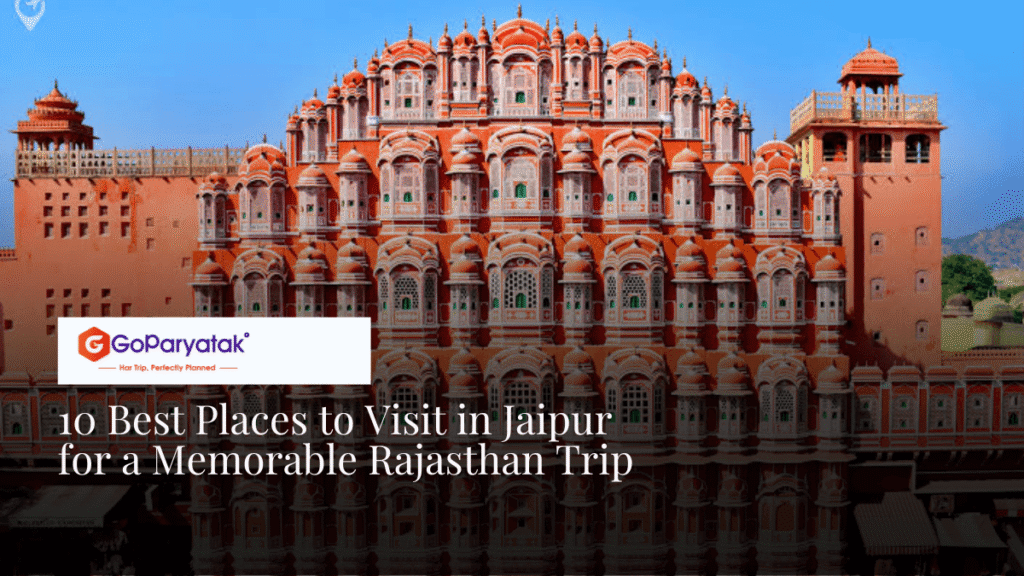
Jaipur is the kind of city where a single day of sightseeing can take you from royal palaces and ancient observatories to colourful bazaars, hilltop forts and lakeside views. If you are searching for the best places to visit in Jaipur, the Pink City offers far more than the famous Hawa Mahal photograph seen on postcards.
Founded in 1727 by Maharaja Sawai Jai Singh II, Jaipur is the capital of Rajasthan and one of the most important stops on India’s Golden Triangle route. Its planned streets, historic walled city, Rajput architecture and royal heritage make it particularly interesting for first-time visitors to Rajasthan.
From the grand Amer Fort and City Palace to Jantar Mantar, Jal Mahal and Nahargarh Fort, Jaipur combines history with everyday city life. You can spend your morning exploring a centuries-old palace, enjoy Rajasthani food for lunch, shop for handicrafts in the afternoon and watch Jaipur’s city lights from a hilltop in the evening.
This Jaipur travel guide covers 10 must-visit attractions, what makes each place worth visiting, things to do, suggested sightseeing combinations, the best time to visit, transport tips, food and shopping ideas, and practical planning advice.
If you are planning a larger Rajasthan holiday, Jaipur can also work as the starting point for journeys towards Pushkar, Ajmer, Ranthambore, Jodhpur, Jaisalmer and Udaipur.
Why Jaipur Should Be on Your Rajasthan Itinerary
Jaipur is often called the Pink City because of the distinctive colour scheme associated with its historic areas. The city was founded by Sawai Jai Singh II and developed according to a planned urban layout influenced by traditional architectural principles.
The historic walled city of Jaipur was inscribed as a UNESCO World Heritage Site in 2019. Its planned streets, public squares, markets and traditional buildings make the old city itself an important part of the Jaipur experience.
What makes Jaipur particularly useful for a Rajasthan holiday is its combination of attractions.
You can experience:
- Royal palaces
- Hill forts
- Historic temples
- Astronomical architecture
- Traditional markets
- Rajasthani cuisine
- Handicrafts and jewellery
- Cultural experiences
- Heritage hotels
- Day trips to nearby destinations
Jaipur also works well for different types of travellers.
For families: Forts, museums, palaces and cultural attractions provide variety.
For couples: Heritage hotels, rooftop restaurants, palace architecture and evening views create a relaxed travel experience.
For solo travellers: The city’s attractions are spread across distinct areas, making it easy to build a flexible sightseeing plan.
For international travellers: Jaipur offers a concentrated introduction to Rajasthan’s architecture, history, crafts and food.
For first-time Rajasthan visitors: Jaipur is a logical starting point before continuing towards other major destinations.
GoParyatak’s Rajasthan itineraries similarly use Jaipur as a starting or ending point for routes connecting destinations such as Ranthambore, Pushkar, Ajmer, Jodhpur, Jaisalmer and Udaipur.
10 Best Places to Visit in Jaipur
If you have limited time, prioritise the attractions that match your interests rather than trying to visit every monument in one day.
Here are 10 of the most worthwhile places to include in your Jaipur sightseeing itinerary.
1. Amer Fort
Best for: History, architecture, photography and families
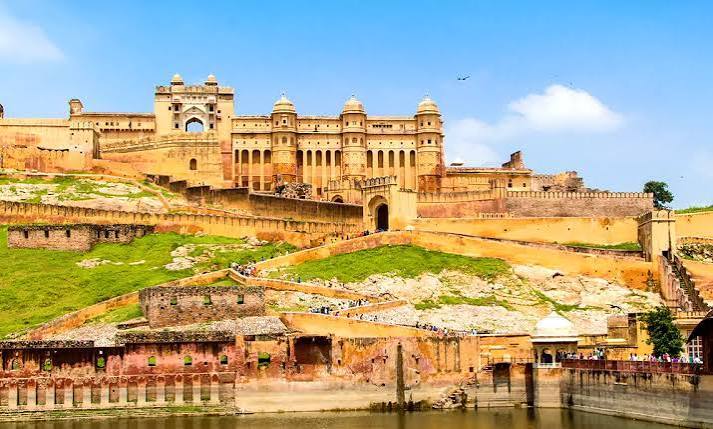
Amer Fort, also written as Amber Fort, is one of the most important attractions near Jaipur. Located on a hill overlooking Maota Lake, the fort complex showcases a combination of Rajput and Mughal architectural influences.
The fort was associated with the Kachwaha rulers before the political centre moved to Jaipur. Its courtyards, gateways, halls, gardens and decorated interiors give visitors a sense of the scale and sophistication of the former royal complex.
One of the highlights is Sheesh Mahal, known for its extensive mirror work. The fort also contains important sections including Diwan-i-Aam, royal residences and courtyards.
What to see at Amer Fort
Allow enough time to explore rather than simply entering, taking a photograph and leaving.
Look for:
- Jaleb Chowk
- Diwan-i-Aam
- Sheesh Mahal
- Sukh Niwas
- Royal courtyards
- Ganesh Pol
- Maota Lake views
- The surrounding Aravalli landscape
Amer Fort is also a good place to appreciate how Jaipur’s royal history is connected to the older capital at Amer.
The fort is approximately 11 km from Jaipur according to Rajasthan Tourism, although your actual travel time will depend on traffic and where you start.
Travel tip
Visit early in the day if possible. Fort areas can involve considerable walking, and starting early can make the experience more comfortable, especially during warmer months.
Check the latest official entry information, ticket prices and any activity restrictions before travelling because monument rules and visitor facilities can change.
2. City Palace Jaipur
Best for: Royal history, architecture, museums and photography
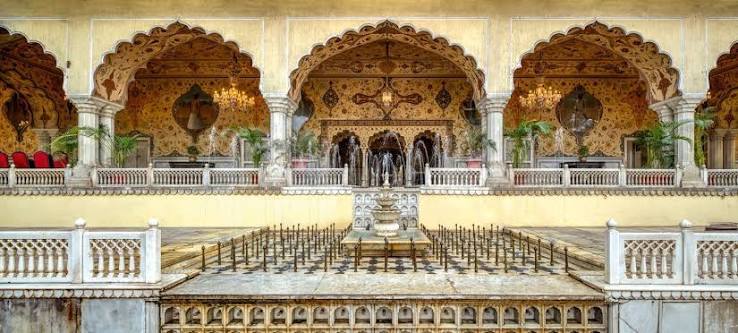
Located inside Jaipur’s historic walled city, City Palace is one of the most important heritage attractions in the Pink City.
The complex was developed under Sawai Jai Singh II and expanded by later rulers. Today, it combines palace buildings, courtyards, museums and architectural details that provide an insight into Jaipur’s royal history.
The attraction is particularly rewarding for travellers interested in decorative arts.
Inside the complex, you can see:
- Royal costumes
- Textiles
- Weapons
- Decorative objects
- Paintings
- Architectural courtyards
- Ornamental gateways
- Museum collections
The palace’s architecture reflects a combination of Rajput and Mughal influences.
Why visit City Palace?
If Amer Fort gives you a sense of Jaipur’s defensive and royal history, City Palace provides a closer look at court life, art and palace architecture.
It is also conveniently located close to other attractions in the old city.
That means you can combine City Palace with Jantar Mantar, Hawa Mahal and the surrounding bazaars without spending a large part of your day travelling between attractions.
Travel tip
Wear comfortable footwear. Palace complexes can involve a lot of walking, and the stone surfaces may become uncomfortable after several hours.
Check the official visitor information before your visit for current ticket categories, access arrangements and visiting rules.
3. Hawa Mahal
Best for: Photography, architecture and first-time visitors
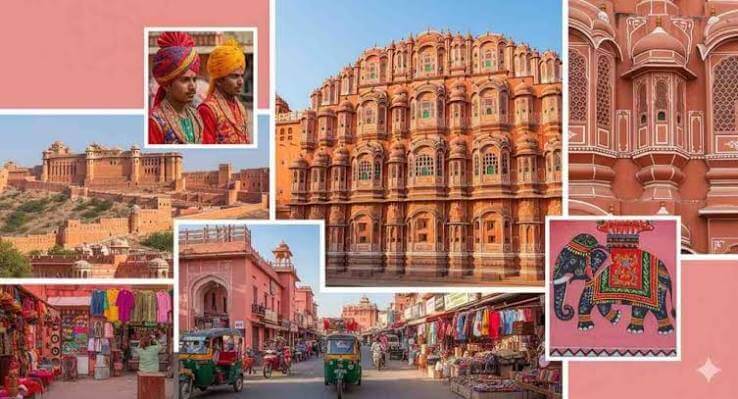
Hawa Mahal is probably the most recognisable landmark associated with Jaipur.
The five-storey pink sandstone structure was built in 1799 and is known for its distinctive façade filled with small windows and jharokhas.
The design allowed royal women to observe activities and processions on the streets without being easily seen from outside.
The building’s windows also helped with ventilation, which contributed to the name Hawa Mahal, or Palace of the Winds.
How to experience Hawa Mahal
Many travellers see Hawa Mahal from the street opposite the main façade. This is an excellent spot for photography and gives you the classic Jaipur view.
However, you can also explore the monument from inside.
For the best experience, consider combining your visit with the nearby old-city attractions.
A practical route can be:
Hawa Mahal → City Palace → Jantar Mantar → Johari Bazaar
This reduces unnecessary backtracking.
Photography tip
The area around Hawa Mahal becomes busy, particularly during popular travel periods. If photography is important to you, an early start can provide a more comfortable experience.
Also remember that the surrounding streets are active commercial areas, so allow some time to walk beyond the monument itself.
4. Jantar Mantar
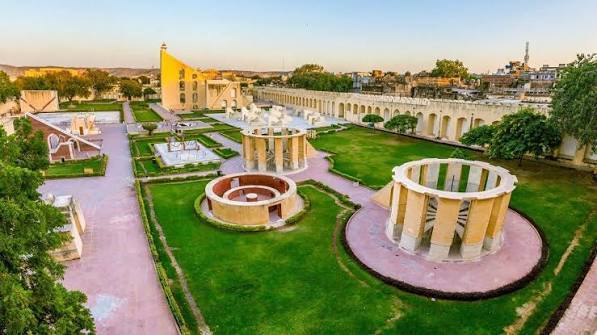
Best for: Science, history, architecture and educational travel
Jantar Mantar is one of Jaipur’s most unusual attractions because it demonstrates how architecture was used for astronomical observation.
The observatory was built under Sawai Jai Singh II and contains a collection of large masonry instruments designed to observe astronomical positions and calculate time.
The most famous instrument is the Samrat Yantra, a monumental sundial.
Jantar Mantar is also a UNESCO World Heritage Site.
Why is Jantar Mantar worth visiting?
At first glance, the large geometric structures may look like modern sculptures.
Once you understand what they were designed to measure, however, the site becomes much more interesting.
The observatory demonstrates the relationship between:
- Astronomy
- Mathematics
- Architecture
- Timekeeping
- Traditional scientific knowledge
It is particularly worth including if you are travelling with children or teenagers because it adds something different to a typical fort-and-palace itinerary.
Travel tip
Consider taking a guide or using an available interpretation service if you want to understand how the instruments work rather than simply photographing them.
Visitor timings and ticket arrangements can change, so verify the latest information before your visit.
5. Jal Mahal
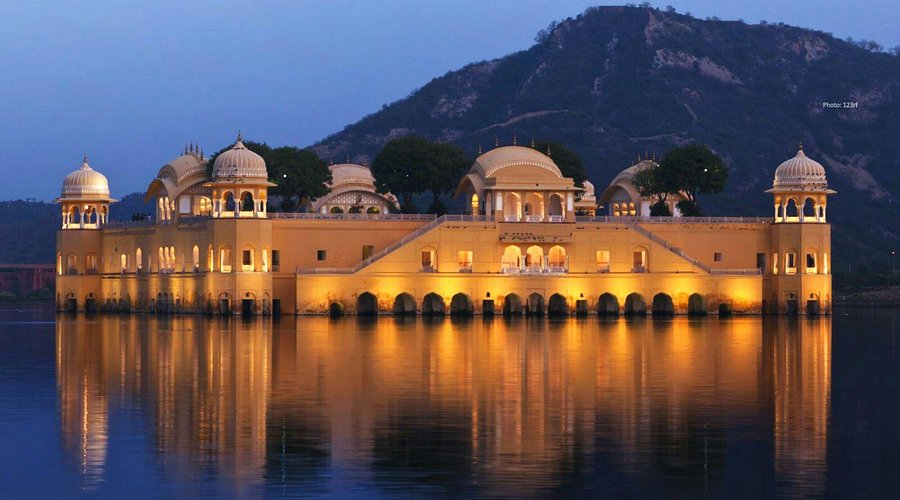
Best for: Photography, evening views and a short sightseeing stop
Jal Mahal is one of Jaipur’s most photographed landmarks.
The palace appears to float in the middle of Man Sagar Lake, creating a striking contrast between the sandstone structure and surrounding water.
The palace was originally associated with royal hunting and leisure activities. Today, visitors generally appreciate it from the lakeside rather than entering the palace.
What makes Jal Mahal special?
Unlike the larger fort and palace complexes, Jal Mahal is usually a shorter stop.
That makes it useful in a busy Jaipur itinerary.
You can combine it with:
- Amer Fort
- Jaigarh Fort
- Nahargarh Fort
- Kanak Vrindavan
- Local food stops
The road beside the lake also provides opportunities for photographs.
Travel tip
Do not plan Jal Mahal as a long indoor attraction. The experience is primarily about the exterior view and the landscape around Man Sagar Lake.
For current access restrictions and visitor rules, check official Rajasthan Tourism information before travelling.
6. Nahargarh Fort
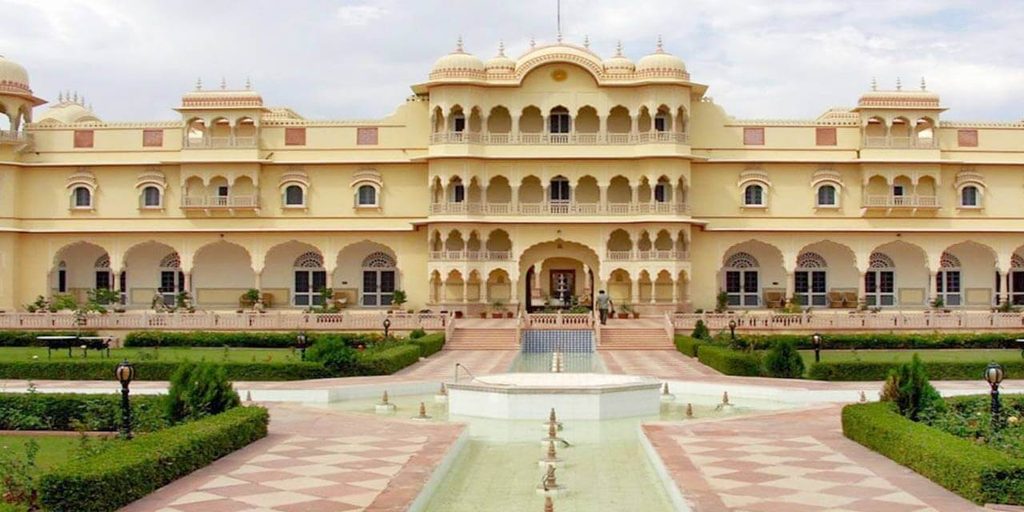
Best for: City views, photography and sunset experiences
Nahargarh Fort sits on the Aravalli Hills above Jaipur and provides a completely different perspective of the city.
While Amer Fort focuses heavily on royal architecture and historical interiors, Nahargarh is particularly attractive because of its elevated position.
The fort was built during the reign of Sawai Jai Singh II and later expanded. Madhavendra Bhawan, with its series of suites and corridors, is one of the notable sections inside the complex.
Why visit Nahargarh Fort?
The main reason many travellers include Nahargarh in their Jaipur itinerary is the view.
From the fort, Jaipur spreads across the plains below.
The experience becomes particularly appealing towards the later part of the day when the city begins to light up.
However, do not rely on a sunset visit without checking current access arrangements and local conditions.
Travel tip
Rajasthan Tourism notes that public transport options to the fort are limited, so arranging a reliable taxi or private vehicle is practical.
If you are travelling as a family or group, combining Nahargarh with Jaigarh and Amer Fort can make better use of your transport.
7. Jaigarh Fort
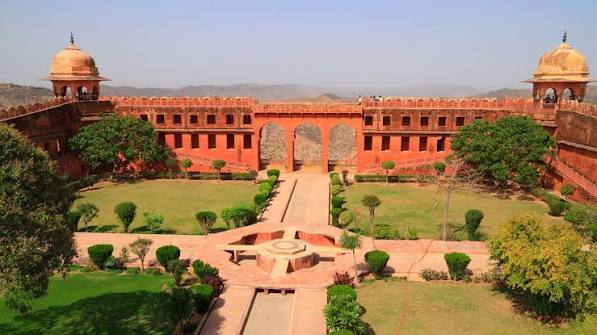
Best for: Fort architecture, military history and panoramic views
Jaigarh Fort is another important hill fort near Jaipur.
Built in the Aravalli landscape, it was designed primarily as a defensive structure and is closely associated with Amer Fort.
The fort’s massive walls, watchtowers and strategic position make it especially interesting for travellers who want to understand the military side of Rajasthan’s royal history.
What to see at Jaigarh Fort
Depending on current visitor access, highlights include:
- Fort walls
- Watchtowers
- Historic gateways
- Armoury-related displays
- Water storage structures
- Panoramic views
- Jaivana cannon
The connection between Jaigarh and Amer makes it sensible to visit the two on the same day.
Amer Fort + Jaigarh Fort combination
A practical sightseeing sequence is:
Amer Fort → Jaigarh Fort → Jal Mahal → Nahargarh Fort
However, this can become a long day.
If you are travelling with young children, older family members or people who prefer slower sightseeing, consider splitting the attractions over two days.
8. Albert Hall Museum
Best for: Art, history, museums and architecture
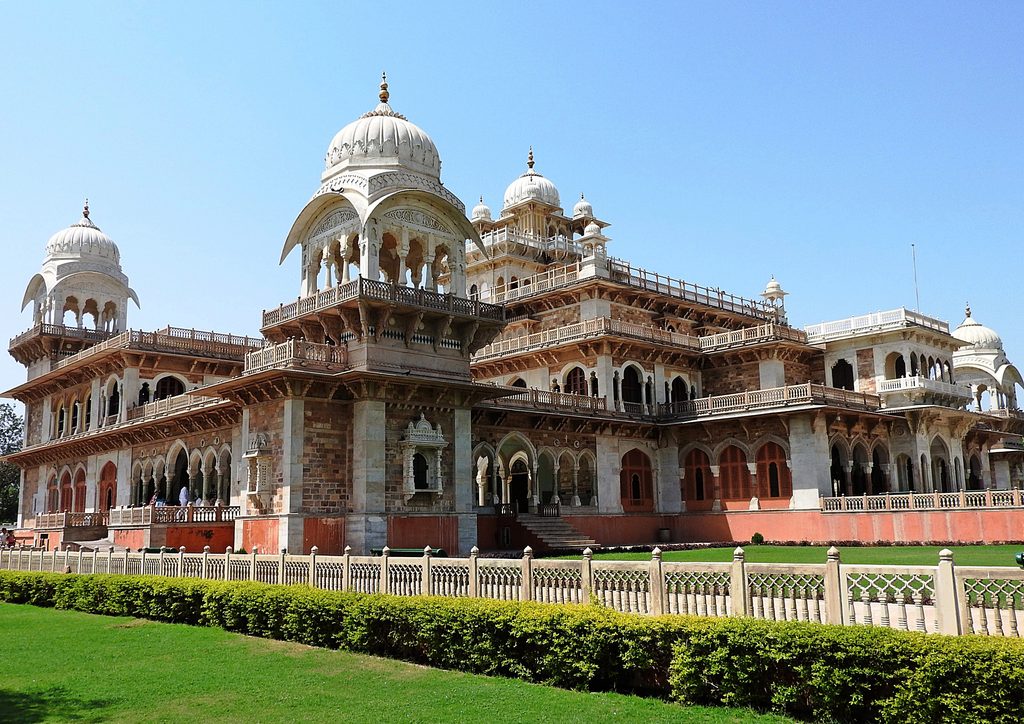
Albert Hall Museum, also known as the Central Museum, sits in Ram Niwas Garden and is one of Jaipur’s major cultural attractions.
The building itself is worth seeing, with Indo-Saracenic architectural influences and elaborate exterior detailing.
Inside, collections include decorative arts, sculptures, textiles, arms, metal objects, carpets and miniature paintings associated with different artistic traditions of Rajasthan and India.
Why add Albert Hall to your itinerary?
Jaipur sightseeing can easily become dominated by forts and palaces.
Albert Hall gives your trip more variety.
It is particularly useful for travellers who enjoy:
- Museums
- Indian art
- Decorative crafts
- Architecture
- History
- Photography
It can also work well when the weather makes extended outdoor sightseeing less comfortable.
Travel tip
Check the latest museum timings and ticket information before visiting. Museums can have different schedules from outdoor attractions.
9. Galtaji Temple
Best for: Spiritual experiences, architecture and photography
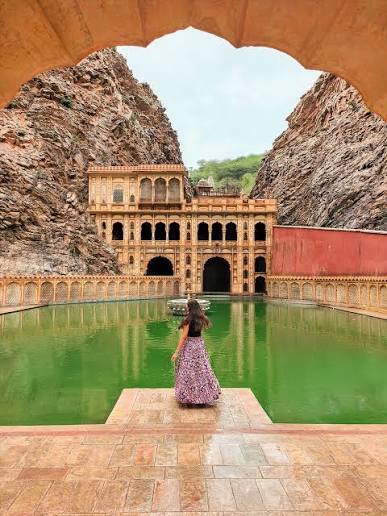
Galtaji is a historic temple complex located in the hills around Jaipur.
The site is associated with temples, natural water tanks and a distinctive rocky landscape.
It offers a quieter contrast to the crowded central attractions of the Pink City.
The complex is especially interesting for travellers who want to include a spiritual or cultural experience in their Jaipur itinerary rather than spending the entire trip visiting royal monuments.
What to expect
Galtaji is a religious site, so visitors should dress respectfully and behave appropriately.
The surrounding landscape also means you should wear comfortable footwear and be prepared for uneven surfaces.
If you are travelling during warmer weather, consider visiting earlier in the day.
10. Birla Mandir
Best for: Architecture, spirituality and a peaceful break
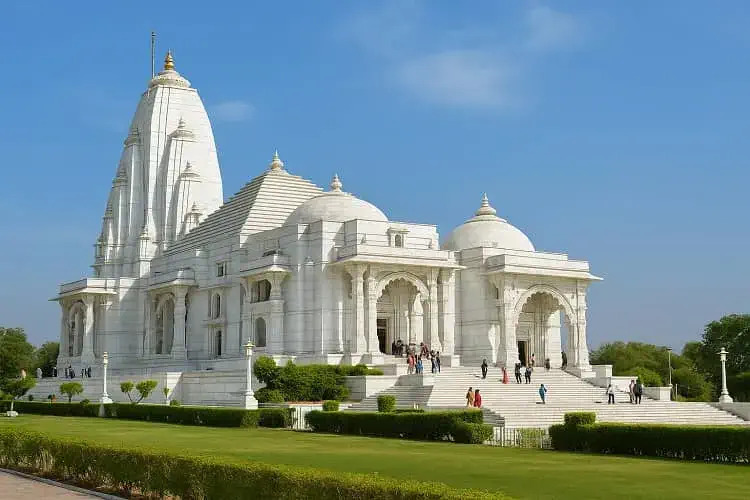
Birla Mandir, also known as Laxmi Narayan Temple, is another popular Jaipur attraction.
The white marble temple stands at the foot of Moti Dungari Hill and is particularly striking against the surrounding cityscape.
The temple is dedicated to Lord Vishnu and Goddess Lakshmi and is known for its detailed marble work.
Why visit Birla Mandir?
It offers a change of pace after visiting the larger forts and palace complexes.
Instead of spending several hours here, many travellers include it as part of a broader Jaipur sightseeing route.
The temple is also particularly attractive in the evening, although visitors should verify current visitor guidelines before planning an evening visit.
Jaipur Attractions at a Glance
| Attraction | Best For | Suggested Time |
| Amer Fort | History and architecture | 2–3 hours |
| City Palace | Royal heritage and museums | 1.5–2.5 hours |
| Hawa Mahal | Architecture and photography | 45–90 minutes |
| Jantar Mantar | Astronomy and history | 1–1.5 hours |
| Jal Mahal | Photography and views | 30–60 minutes |
| Nahargarh Fort | City views and sunset | 1.5–2 hours |
| Jaigarh Fort | Military history | 1.5–2 hours |
| Albert Hall Museum | Art and culture | 1.5–2 hours |
| Galtaji | Spiritual and cultural visit | 1–2 hours |
| Birla Mandir | Architecture and spirituality | 45–60 minutes |
These are planning estimates rather than fixed visiting times. Actual time will depend on queues, traffic, weather, interest level and current visitor arrangements.
How to Plan Jaipur Sightseeing
Trying to cover all 10 attractions in a single day is not a good idea.
Jaipur sightseeing becomes much easier when you group attractions geographically.
Day 1: Pink City and Heritage
Start with:
- Hawa Mahal
- City Palace
- Jantar Mantar
- Johari Bazaar
- Bapu Bazaar
- Albert Hall Museum
This day focuses mainly on the historic city.
You can walk between some attractions in the old city, while using a taxi or auto-rickshaw for longer connections.
Day 2: Forts and Hill Attractions
Plan:
- Amer Fort
- Jaigarh Fort
- Jal Mahal
- Nahargarh Fort
Start early because this route involves more travel and outdoor walking.
If you want a slower experience, spend more time at Amer Fort and skip one of the hill forts.
Day 3: Culture and Flexible Exploration
Use the third day for:
- Galtaji
- Birla Mandir
- Local shopping
- Food experiences
- Cafés and rooftop restaurants
- Additional museums
- Nearby attractions
This approach is better than filling every hour with monuments.
Best Time to Visit Jaipur
The best time for Jaipur depends on your tolerance for heat and the kind of experience you want.
For most sightseeing-focused travellers, the cooler months are the easiest time to explore Rajasthan.
Rajasthan Tourism generally identifies winter as the most comfortable season for exploring the state, while summers can be very hot. October through March is commonly preferred for broader Rajasthan travel, although conditions vary by month and location.
October to November
This period can be a good choice for travellers who want more comfortable sightseeing conditions than peak summer.
Days can still feel warm, so carry sun protection and plan outdoor sightseeing sensibly.
December to February
These are popular months for Rajasthan travel.
Daytime conditions can be comfortable for forts, palaces and markets, while mornings and evenings can be considerably cooler.
Carry a light jacket or warm layer, particularly if you are travelling early in the morning or returning late at night.
March
March can offer a useful transition period, but temperatures begin becoming warmer.
Early morning and late afternoon sightseeing can become more comfortable than visiting exposed attractions during the hottest part of the day.
April to June
Summer can be challenging for extensive sightseeing.
If you travel during this period:
- Start sightseeing early
- Avoid prolonged outdoor activity during the hottest hours
- Carry water
- Use sunscreen
- Wear breathable clothing
- Keep indoor attractions in your schedule
- Take breaks between monuments
July to September
The monsoon can bring changes in weather and can alter outdoor sightseeing conditions.
Some travellers prefer this period because it can offer a different look at Rajasthan and potentially fewer tourists at certain attractions.
Always check the local forecast before travelling.
How to Reach Jaipur
Jaipur is one of the most accessible cities in Rajasthan.
By Air
Jaipur International Airport connects the city with major Indian cities and selected international destinations.
Flights can be convenient if you are travelling from a distant part of India.
Before booking, compare arrival times with your sightseeing plans. A late-night arrival may make an additional hotel transfer or rest period necessary.
By Train
Jaipur Junction is one of the major railway stations serving the city.
Rail travel can be particularly convenient for travellers coming from Delhi and other major Indian cities.
If you are building a multi-city Rajasthan itinerary, compare train timings with private-car travel before deciding.
By Road
Jaipur has road connections with Delhi, Agra, Ajmer, Pushkar and other Rajasthan destinations.
A private car with driver can be useful if your Rajasthan trip covers several cities because you can combine sightseeing and transfers.
However, long road journeys should be planned realistically rather than packing too many destinations into a short trip.
Where to Stay in Jaipur
The best area to stay depends on the kind of trip you want.
Old City
Staying near the historic city can make it convenient to explore Hawa Mahal, City Palace, Jantar Mantar and traditional markets.
It can be a good option for travellers interested in heritage and local atmosphere.
C-Scheme
This area can suit travellers looking for restaurants, cafés and a more modern city environment.
Bani Park
Bani Park is another practical area with accommodation options across different categories.
Heritage Hotels
For couples and travellers looking for a Rajasthan-focused experience, a heritage property can add another dimension to the trip.
You do not necessarily need to stay inside a palace to experience Jaipur’s architectural character. Many restored heritage properties provide a balance between traditional design and modern facilities.
When selecting accommodation, consider:
- Distance from major attractions
- Parking availability
- Airport or railway station transfer
- Breakfast
- Room facilities
- Reviews from recent guests
- Cancellation policy
Things to Eat in Jaipur
A Jaipur trip is incomplete without trying local Rajasthani food.
Popular dishes and snacks include:
Dal Baati Churma
A classic Rajasthani combination of baked baati, dal and churma.
Gatte Ki Sabzi
Gram-flour dumplings cooked in a spiced gravy.
Ker Sangri
A traditional desert-region preparation made using dried berries and beans.
Laal Maas
A spicy meat preparation associated with Rajasthan’s culinary traditions.
Pyaaz Kachori
A popular Jaipur snack, particularly suitable for travellers who enjoy savoury street food.
Ghewar
A traditional Rajasthani sweet that is especially associated with festive occasions.
You can explore local food through traditional restaurants, markets and carefully selected street-food stops.
If you have dietary restrictions, allergies or low tolerance for spice, ask about ingredients before ordering.
Shopping in Jaipur
Shopping is one of the easiest ways to add local culture to your Rajasthan trip.
Johari Bazaar
Known for jewellery and traditional shopping, Johari Bazaar is a major commercial area in the Pink City.
Bapu Bazaar
A popular place for textiles, souvenirs, handicrafts and traditional products.
What to Buy
Depending on your interests, look for:
- Block-printed textiles
- Blue pottery
- Jewellery
- Mojaris
- Handicrafts
- Traditional fabrics
- Decorative items
- Rajasthani souvenirs
Shopping Tip
Compare products at more than one shop before purchasing expensive jewellery or handicrafts.
For valuable items, ask for a proper bill and understand the return or exchange policy.
Jaipur Itinerary Ideas
1-Day Jaipur Itinerary
If you have only one day, focus on the city’s essential heritage attractions.
Morning:
- Amer Fort
Afternoon:
- City Palace
- Jantar Mantar
Late afternoon:
- Hawa Mahal
- Old-city markets
Evening:
- Jal Mahal or another suitable local experience
This itinerary is busy, so avoid adding too many additional stops.
2-Day Jaipur Itinerary
Day 1:
- City Palace
- Jantar Mantar
- Hawa Mahal
- Albert Hall
- Bazaars
Day 2:
- Amer Fort
- Jaigarh Fort
- Jal Mahal
- Nahargarh Fort
This is a much more comfortable plan for first-time visitors.
3-Day Jaipur Itinerary
Day 1: Pink City heritage
Day 2: Amer, Jaigarh, Jal Mahal and Nahargarh
Day 3: Galtaji, Birla Mandir, shopping, food and flexible exploration
Three days gives you more breathing room and allows you to experience Jaipur instead of simply ticking attractions off a list.
Planning a Rajasthan Trip from Jaipur
One of Jaipur’s biggest advantages is its position within a larger Rajasthan itinerary.
If you have a week or more, you can combine Jaipur with other destinations.
Jaipur + Ranthambore
This is a useful combination for travellers who want both heritage and wildlife.
A typical plan can include:
Jaipur → Ranthambore → Jaipur
or continue onwards to another Rajasthan destination.
GoParyatak currently features a Jaipur–Ranthambore itinerary combining Jaipur sightseeing with a Ranthambore safari experience.
Jaipur + Pushkar + Ajmer
This route works well for travellers interested in spirituality, culture and heritage.
A possible sequence is:
Jaipur → Pushkar → Ajmer → Jodhpur
Jaipur + Jodhpur + Jaisalmer
This is a strong option for a classic Rajasthan experience.
You can experience:
- Jaipur’s palaces and forts
- Jodhpur’s blue-city character and Mehrangarh Fort
- Jaisalmer’s golden architecture
- Desert camping and cultural programmes around Sam
Jaipur + Udaipur
This route provides a contrast between Jaipur’s fortified royal heritage and Udaipur’s lakes and palace architecture.
A Longer Rajasthan Circuit
For travellers with more time, a broader route can include:
Jaipur → Pushkar → Ajmer → Jodhpur → Jaisalmer → Udaipur
GoParyatak’s Rajasthan package page currently includes several customisable itineraries covering combinations such as Jaipur, Pushkar, Ajmer, Jodhpur, Jaisalmer, Ranthambore and Udaipur.
Travellers who prefer accommodation, transfers and sightseeing to be arranged together can explore the available Rajasthan tour packages.
Things to Do in Jaipur Beyond Sightseeing
Jaipur does not have to be only about monuments.
Consider adding a few experiences between attraction visits.
Explore the Pink City on Foot
Walking through the historic city allows you to notice details that are easy to miss from a vehicle.
Look at the traditional façades, shopfronts, gates, temples and market activity.
Try a Rajasthani Food Experience
Instead of eating only familiar North Indian dishes, try local specialities.
Visit Local Markets
Set aside time for shopping rather than trying to squeeze it into the final 30 minutes of your itinerary.
Enjoy a Rooftop View
Several parts of the old city have rooftop cafés and restaurants with views towards Jaipur’s historic architecture.
Choose places based on current reviews and hygiene standards.
Explore Jaipur’s Architecture
The city is particularly rewarding for photographers.
Look beyond famous monuments and notice:
- Jharokhas
- Chhatris
- Arches
- Courtyards
- Painted façades
- Market streets
- Traditional doors
- Decorative stonework
Jaipur Travel Tips for First-Time Visitors
Start Early
Early starts are especially useful for major monuments.
You can avoid the most uncomfortable part of the day and have more flexibility later.
Do Not Overpack Your Itinerary
Five major monuments in one day may sound productive, but you could spend the entire day rushing between them.
Three or four meaningful stops can be better.
Wear Comfortable Shoes
Jaipur sightseeing involves walking, stairs, courtyards and uneven surfaces.
Comfortable footwear is more important than dressing only for photographs.
Carry Sun Protection
Use:
- Sunscreen
- Sunglasses
- Hat or cap
- Water
- Light clothing
During cooler months, add a warm layer for mornings and evenings.
Check Monument Information Before Leaving
Opening hours, ticket prices, access rules, maintenance schedules and visitor arrangements can change.
Verify current information through official sources before your trip.
Be Careful Around Crowded Markets
Keep phones, wallets and valuables secure in busy areas.
Respect Religious Sites
Dress appropriately and follow photography rules when visiting temples and other religious places.
Keep Some Flexibility
Traffic, weather and unexpected delays can affect sightseeing.
A flexible itinerary is usually more enjoyable than one where every hour is fixed.
Is Jaipur Good for Families?
Yes, provided the itinerary is planned at a comfortable pace.
Families can combine:
- Amer Fort
- City Palace
- Jantar Mantar
- Albert Hall
- Jal Mahal
- Birla Mandir
Children who enjoy history and science may particularly enjoy Jantar Mantar.
However, remember that Jaipur’s forts can involve stairs and extensive walking. Plan breaks and carry water.
For families travelling with young children, it may be better to visit fewer attractions each day.
Is Jaipur Good for Couples?
Jaipur can be an excellent addition to a Rajasthan honeymoon or couple’s trip.
Instead of trying to visit every monument, couples can combine heritage sightseeing with slower experiences.
A couple-friendly plan might include:
- Amer Fort
- City Palace
- Hawa Mahal
- Rooftop dining
- Nahargarh views
- Local shopping
- Heritage accommodation
Jaipur can also be combined with Udaipur and Jaisalmer for a longer Rajasthan honeymoon itinerary.
How Many Days Are Enough for Jaipur?
For the major attractions, 2 days is a practical starting point.
A two-day plan allows you to cover the historic city and the major forts without making every day excessively rushed.
Choose three days if you want:
- More relaxed sightseeing
- Shopping
- Food experiences
- Temple visits
- Museums
- Photography
- Additional local experiences
If Jaipur is part of a larger Rajasthan tour, two or three nights can work well depending on the number of other destinations you plan to include.
Should You Book a Rajasthan Tour Package?
There is no single answer because it depends on how you prefer to travel.
Independent travel may suit you if you enjoy arranging:
- Hotels
- Transport
- Tickets
- Sightseeing
- Restaurants
- Intercity transfers
A package can be useful if you want multiple elements organised together.
This becomes particularly helpful when your trip includes several Rajasthan cities and long road transfers.
GoParyatak’s Rajasthan offerings include customisable itineraries covering combinations such as Jaipur, Ranthambore, Pushkar, Ajmer, Jodhpur, Jaisalmer and Udaipur.
For example, travellers can choose a shorter Jaipur-focused itinerary or build a longer Rajasthan circuit around their available travel days.
If you prefer having the major logistics planned together, you can explore GoParyatak’s Rajasthan tour packages and compare the available itinerary options.
What to Pack for Jaipur
Your packing list should change according to the season.
Essentials
- Comfortable walking shoes
- Lightweight clothing
- Sunscreen
- Sunglasses
- Reusable water bottle
- Personal medicines
- Phone charger
- Power bank
- Identification documents
Winter
Add:
- Light jacket
- Sweater
- Warm layer for early mornings and evenings
Summer
Prioritise:
- Breathable cotton clothing
- Hat or cap
- Extra water
- Sunscreen
- Comfortable footwear
Temple Visits
Carry clothing that allows you to dress respectfully when visiting religious sites.
A Practical Jaipur Sightseeing Route
For travellers with two full days, this route can reduce unnecessary movement.
Day 1
Hawa Mahal → City Palace → Jantar Mantar → Johari Bazaar → Albert Hall
This keeps most of your sightseeing around the historic and central parts of Jaipur.
Day 2
Amer Fort → Jaigarh Fort → Jal Mahal → Nahargarh Fort
This focuses on the hill and eastern/northern attraction cluster.
If you have a third day:
Galtaji → Birla Mandir → shopping → food experience
The exact order should be adjusted according to traffic, attraction timings and current visitor conditions.
Quick Jaipur Planning Guide
| Planning Question | Practical Answer |
| Ideal first visit | 2–3 days |
| Best season for sightseeing | Generally October–March |
| Must-see fort | Amer Fort |
| Famous landmark | Hawa Mahal |
| Best heritage area | Jaipur Walled City |
| UNESCO attractions | Jaipur City and Jantar Mantar |
| Good viewpoint | Nahargarh Fort |
| Popular lakeside stop | Jal Mahal |
| Good museum | Albert Hall Museum |
| Popular shopping areas | Johari Bazaar and Bapu Bazaar |
| Nearby additions | Pushkar, Ajmer, Ranthambore, Abhaneri |
| Longer Rajasthan route | Jaipur → Jodhpur → Jaisalmer → Udaipur |
Frequently Asked Questions
Q1. What are the best places to visit in Jaipur for the first time?
A: First-time visitors should prioritise Amer Fort, City Palace, Hawa Mahal and Jantar Mantar because they represent different aspects of Jaipur’s heritage. Add Jal Mahal for photography and Nahargarh Fort for city views if your schedule allows. If you have two full days, you can comfortably divide the attractions into old-city sightseeing on one day and forts and hill attractions on the other. Your final selection should also consider the weather, walking ability, children or older travellers in your group, and the current opening arrangements of each attraction.
Q2. How many days are enough to explore Jaipur?
A: Two full days are usually a practical starting point for seeing Jaipur’s major attractions without rushing excessively. One day can focus on Hawa Mahal, City Palace, Jantar Mantar, Albert Hall and local markets, while the second can cover Amer Fort, Jaigarh Fort, Jal Mahal and Nahargarh Fort. A third day is useful if you want a slower pace, shopping, food experiences, Galtaji, Birla Mandir or additional museums. If Jaipur is part of a larger Rajasthan trip, two or three nights can fit well into the overall itinerary.
Q3. What is the best time to visit Jaipur?
A: The cooler months, generally from October to March, are popular for Rajasthan sightseeing because outdoor exploration is more comfortable than during the peak summer heat. December and January can have noticeably cooler mornings and nights, so warm layers are useful. Summer months can be hot and require more careful planning, particularly for exposed forts and outdoor attractions. Monsoon travel can offer a different experience, but weather conditions should be checked before travelling. Always verify current local weather and attraction information close to your travel date.
Q4. Which places near Jaipur can be added to a Rajasthan trip?
A: Several destinations can be combined with Jaipur depending on the length of your holiday. Pushkar and Ajmer work well for a cultural and spiritual extension, while Ranthambore is suitable for travellers interested in wildlife and safari experiences. Abhaneri can also be considered for a heritage-focused side trip. For a longer Rajasthan journey, Jaipur can be connected with Jodhpur, Jaisalmer and Udaipur. The best route depends on your starting city, available days and whether you prefer road travel, trains or a combination of transport options.
Q5. Is Jaipur suitable for a family or honeymoon trip?
A: Yes. Jaipur can work for both families and couples because its attractions cover history, architecture, food, shopping, culture and scenic viewpoints. Families can focus on Amer Fort, City Palace, Jantar Mantar and Albert Hall while keeping the daily schedule relaxed. Couples can combine heritage sightseeing with a heritage stay, rooftop dining, shopping and views from Nahargarh. For a longer honeymoon or family holiday, Jaipur can be combined with Udaipur, Jaisalmer, Jodhpur or Ranthambore to create a broader Rajasthan itinerary.
Final Thoughts
Jaipur is much more than a city with one famous pink façade.
The best places to visit in Jaipur take you through several layers of Rajasthan’s history: the hilltop grandeur of Amer Fort, the royal collections of City Palace, the architectural ingenuity of Hawa Mahal, the scientific legacy of Jantar Mantar and the panoramic views from Nahargarh Fort.
The key to enjoying Jaipur is not trying to see everything as quickly as possible.
Give yourself enough time to walk through the old city, sit down for a local meal, explore a market and appreciate the architecture between the major attractions.
If you have more than two or three days, Jaipur can also become the first chapter of a much larger Rajasthan journey. Pushkar, Ajmer, Ranthambore, Jodhpur, Jaisalmer and Udaipur can all be incorporated depending on your travel style and available time.
For travellers who want accommodation, sightseeing and intercity travel organised as part of a broader Rajasthan holiday, GoParyatak offers customisable Rajasthan itineraries covering several of these destinations.
Planning your trip? Explore GoParyatak’s Rajasthan tour packages and start planning your Rajasthan journey.